What does “very fine condition” mean?
What it means
Very Fine (VF) is a grading standard indicating a comic book is in excellent physical shape, exhibiting only minor signs of handling consistent with its age. This grade sits above Very Good (VG) but below Near Mint (NM). A VF copy maintains sharp corners, vibrant color saturation, and minimal creasing or spine stress. The definition allows for minor, non-structural flaws—such as a small surface scuff, a pinprick, or slight tanning—that do not significantly impede the book's overall visual appeal. It is a high-grade, desirable copy that is not pristine but is very close to perfect condition.
What it does to price
VF commands a substantial premium over lower grades. Compared to a loose copy, a graded VF book typically fetches 3x to 6x the loose market value, depending on scarcity. The difference between VF and NM can be significant; for a popular, high-demand title, the jump from VF to NM can represent a 50% to 100% increase in sale price. What pushes the price up within the VF range are clean edges and bright, unyellowed paper. What pulls it down is significant spine roll or noticeable color fading on the cover. For example, a common Silver Age title might sell for $150 loose, but a VF copy could easily reach $450.
How to spot it
Spotting VF requires close examination. Corners should be crisp, not rounded or dog-eared. The spine should show only slight stress, not major creasing or separation. Colors must be bright across the entire cover and interior. Sellers must provide high-resolution photos of the top, bottom, front, and back covers. Look for evidence of minor shelf wear, which is acceptable, versus major damage like tears or creases, which drop the grade. A common mistake is misrepresenting light tanning (age) as severe yellowing (damage).
Buying smart
Paying a premium for VF is justified when the comic is a high-demand, scarce title where condition directly dictates investment potential. For common, low-value books, the premium may not be worth the cost, as the difference between VF and VG might only be a few dollars. A fair deal for a VF copy means the asking price reflects the documented condition—if the seller claims VF but the book has heavy creases, the price is inflated. A reasonable deal will have the asking price within 15-25% of established market averages for graded VF copies of that specific book.
Selling smart
Listing a book as VF requires documentation to substantiate the claim. Generic descriptions are insufficient. The single most valuable asset in a listing is a clear, high-resolution photograph showing the spine and corners in detail. Using the term "VF" without visual proof invites disputes. If the book is professionally graded (CGC/CBCS), the slab itself is the proof, and the grade number dictates the price. If selling loose, the seller must explicitly point out the minor flaws accepted within the VF standard to manage buyer expectations and prevent returns.
On eBay right now
Current asking prices from live listings — not sold-comp medians.

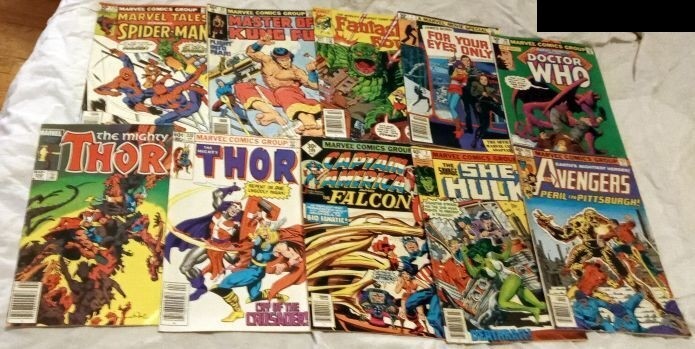


eBay links are affiliate links: JunkPal may earn a commission at no cost to you.