What does “variant type” mean?
What it means
Variant type refers to any non-standard production run or printing of a comic book. This is distinct from a simple reprint or an error copy. Variants are intentional deviations from the mainline release, often categorized by the specific packaging, cover art, or interior inserts. Mainstream equivalent: A special edition or limited run. These variations are deliberately created by the publisher to target different collector segments. The designation determines the item's scarcity within the overall print run.
What it does to price
Variant status is a direct driver of premium pricing. A standard edition might sell loose for $5-$15. A highly desirable, limited variant (e.g., a foil cover or retailer exclusive) can easily multiply that value by 2x to 5x, pushing the price into the $25-$75 range, depending on the comic's base value. Minor variations, like a different interior ad placement, usually yield negligible pricing differences ($1-$3). Conversely, an unlisted or misidentified variant can lead to a significant price reduction if the buyer discovers the commonality later.
How to spot it
Identification relies on specific, verifiable markers. Check the cover stock, color saturation, and any unique printing elements (e.g., spot UV coating, foil stamping). Retailer exclusives often have unique barcodes or specific promotional stickers on the back cover. Interior pages may contain specific "variant edition" print notices or different ad layouts. Sellers must provide high-resolution photos of the back cover and the first interior page to confirm the variant designation. Common mistakes involve confusing a simple bookstore discount copy with a true, numbered variant.
Buying smart
Paying a premium for a variant is justified when the variant is officially recognized as a limited run by the publisher and the base comic has strong long-term demand. If the variant is merely a slight color shift with no documented scarcity, the premium is likely inflated. A fair deal involves the asking price being within 10-20% of the established market rate for that specific variant designation, as tracked by major sales databases. If the premium exceeds 30% without clear evidence of extreme scarcity, the purchase is likely overvalued.
Selling smart
Listing must explicitly state the variant type. Using vague terms like "special edition" is insufficient. The specific designation (e.g., "Retailer Code Variant," "Color Shift Variant") must be used. The single most valuable asset in a listing is a clear, high-resolution photograph of the identifying marker—be it a unique UPC code, a specific cover detail, or an insert card. This proof validates the premium price, shifting the item from a generic comic to a specific collectible asset.
On eBay right now
Current asking prices from live listings — not sold-comp medians.


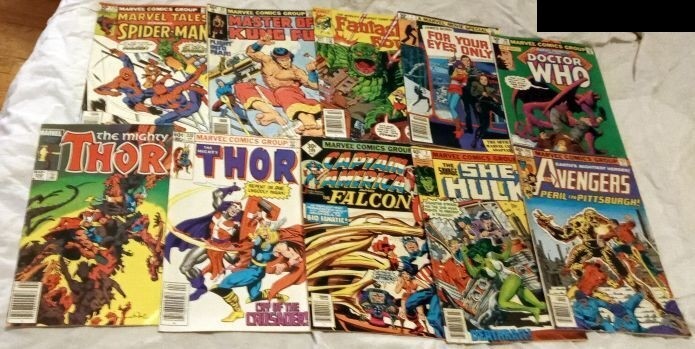


eBay links are affiliate links: JunkPal may earn a commission at no cost to you.