What does “variant reprint” mean?
What it means
A variant reprint is a re-release of a previously published comic book issue. It is not a simple reprint of the original content. The defining characteristic is a deliberate alteration from the initial print run. This alteration can manifest as a different cover art, an alternate interior color palette, or minor textual changes. Mainstream equivalent: A special edition or alternate version. The variation is designed to appeal to specific collector demographics, moving beyond the standard, mass-market printing.
What it does to price
The variant status introduces a multiplier to the base value of the standard printing. For a popular title, a sought-after variant can command a 2x to 5x premium over the standard copy in the same condition grade. Minor variations (e.g., a different retailer sticker) might add only 10-25%. Major, limited-run variants (e.g., a specific convention exclusive) can see premiums exceeding 10x. For example, a standard $2.00 comic might sell for $8.00 loose if it is a highly desirable, low-print run variant. Condition remains the primary driver, but the variant designation acts as the initial value floor.
How to spot it
Identification relies on specific markers. Check the cover for edition callouts (e.g., "Variant Cover," "Spotlight Edition"). Interior pages often reveal subtle shifts in ink density or color registration compared to known original scans. Sellers must provide high-resolution photos of the front, back, and spine. Common mistakes include confusing a standard trade paperback reprint with a true variant issue. Fakes are rare but usually involve poor print quality on the variant cover; genuine variants maintain the quality standards of the original print run.
Buying smart
Paying a premium for a variant is justified when the variant is officially confirmed as a limited print run, especially if it features high-demand characters or significant artistic changes. If the variant is merely a slightly different color on a widely distributed reprint, the premium is often inflated and not worth the extra cost. A fair deal involves the asking price being within 1.5x to 2.5x the estimated value of the standard issue, provided the variant is confirmed rare. If the difference is negligible, the standard copy is the better purchase.
Selling smart
Listing must accurately reflect the variant status to attract the correct buyer pool. The specific variant designation (e.g., "Variant Green Cover," "Retailer X Exclusive") must be listed in the title and description. The single most effective item to include is a clear, well-lit photo of the variant marker—whether it is a unique cover design or a specific print detail visible on the interior. This confirmation justifies the higher asking price and prevents buyer disputes over misrepresentation.
On eBay right now
Current asking prices from live listings — not sold-comp medians.

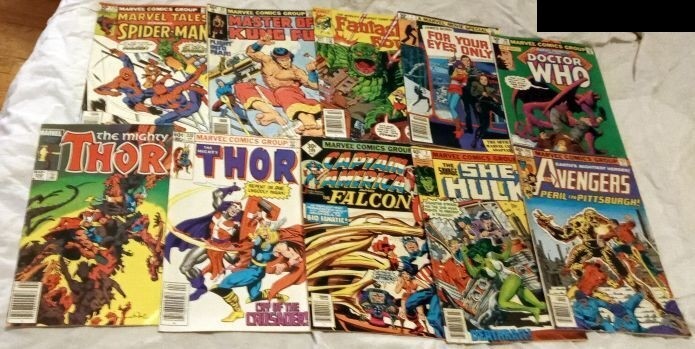


eBay links are affiliate links: JunkPal may earn a commission at no cost to you.