What does “variant rarity level” mean?
What it means
Variant rarity level denotes the specific classification assigned to a comic book issue that deviates from the standard, mass-market printing. This deviation can manifest as an alternate cover color (e.g., gold foil, spot color), an insert page, or a deliberately limited production run. These are not standard reprints; they are discrete, collectible editions. The rarity level directly correlates with market valuation. A low-print, high-demand variant commands a substantial premium over the standard edition. A minor color shift might only yield a marginal price increase. Accurate pricing requires understanding the established hierarchy of these variations.
What it does to price
The rarity level dictates the price multiplier. A standard, common color variant might see a 1.2x to 1.8x multiplier over the base price. A highly sought-after, low-print variant (e.g., a specific convention exclusive or a numbered variant) can easily achieve 3x to 10x the standard price, depending on the character and comic’s overall desirability. Conversely, a common, easily obtainable variant might only add $5–$15 to a standard copy. For instance, a standard $10 comic with a common variant cover might sell for $15 loose, whereas the same comic with a confirmed, low-print variant cover could fetch $40–$60 loose.
How to spot it
Identification relies on physical inspection and cross-referencing. Check the copyright page or the cover itself for specific edition markings, such as "Limited Edition" stamps or unique numbering sequences. If the variant is an interior page, sellers must provide clear, high-resolution photos of the page in question, not just the cover. Common errors include mislabeling a standard copy as a variant, or conversely, confusing a simple promotional insert with a true, limited print variant. Always request photos of the specific distinguishing feature before committing to a purchase.
Buying smart
Paying a premium is justified when the variant holds genuine scarcity and high demand within the collecting community. This applies primarily to variants tied to major events, key character debuts, or extremely low print runs (under 1,000 copies). The premium is not worth it for variants that are widely available through secondary markets or those whose scarcity is merely speculative. A fair deal involves the asking price being within 15-25% of the established market average for that specific variant grade.
Selling smart
Proving the variant status in a listing is the primary driver of increased buyer interest and price. The single most effective element is a clear, close-up photograph that definitively showcases the distinguishing feature—be it the unique cover color, the specific insert page, or any edition stamp. Using precise terminology (e.g., "Gold Foil Variant," "Convention Exclusive") in the title and description, rather than vague terms, immediately signals authenticity and justifies the higher price point to knowledgeable buyers.
On eBay right now
Current asking prices from live listings — not sold-comp medians.

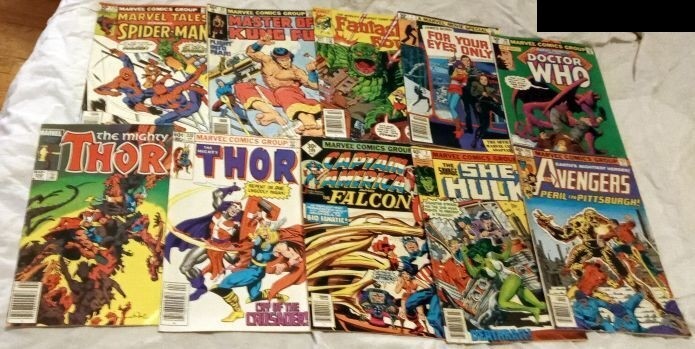


eBay links are affiliate links: JunkPal may earn a commission at no cost to you.