What does “variant insert” mean?
What it means
A variant insert is an extra, non-story page or piece of artwork physically included inside a standard comic book issue. It is not part of the main narrative content. These inserts function as promotional or limited-edition add-ons. Mainstream equivalent: A special bonus page or collectible inclusion. The term specifically refers to material added *to* the standard comic, differentiating it from a "variant cover," which is a different printing of the cover art. The insert adds intrinsic collectible value beyond the standard issue's content.
What it does to price
The presence of a desirable variant insert can increase the market value of the entire comic. For a standard, high-grade copy, a sought-after insert can push the price 1.5x to 4x the base value, depending on the insert's scarcity. Inserts tied to major crossover events or exclusive artist collaborations command the highest premiums. A common, unexceptional insert might add $5 to $20 to a mid-tier book. Conversely, a poorly printed or damaged insert can decrease value, sometimes offsetting the premium entirely.
How to spot it
Inserts are typically identified by unique numbering, specific copyright markings on the page itself, or distinct, non-standard artwork that differs from the main comic's interior pages. Sellers must provide clear, high-resolution photos of the interior pages, specifically showing the insert page and any associated printing identifiers. Common issues include misidentification—mistaking a standard promotional flyer inside the comic for an official, numbered variant insert. Fakes are rare but usually involve poorly reproduced artwork or incorrect paper stock.
Buying smart
Paying a premium for an insert is justified when the insert is confirmed to be rare, officially numbered, and tied to a significant comic event (e.g., a major company anniversary or storyline launch). If the insert is generic or easily found in bulk, the premium is not warranted. A fair deal involves the price increase being proportional to the insert's verifiable scarcity. If the difference between the standard and insert version is less than 2x the base price, the deal is likely acceptable.
Selling smart
Listing the comic as having a "Variant Insert" is crucial; failing to mention it forfeits the premium. The single most effective element in a listing is a clear, well-lit photograph of the insert page itself, clearly showing any unique markings or numbering. Use the specific term "Variant Insert" in the title and description. This specific terminology immediately signals to knowledgeable buyers that the copy possesses added, verifiable collectible value, allowing the seller to command the appropriate market uplift.
On eBay right now
Current asking prices from live listings — not sold-comp medians.


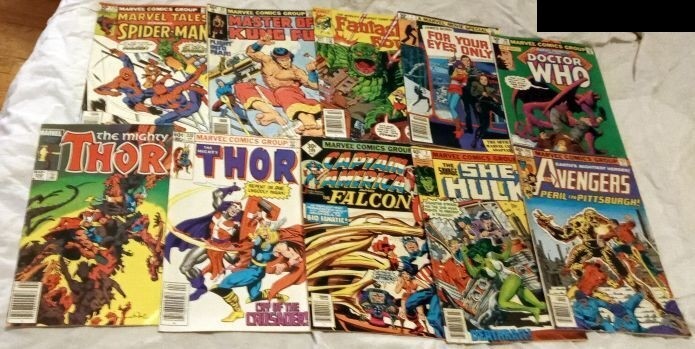


eBay links are affiliate links: JunkPal may earn a commission at no cost to you.