What does “variant hunt” mean?
What it means
Variant hunt is the systematic search for different printings of the same comic book title. These are not reprints or different story arcs; they are distinct versions released concurrently or sequentially by the publisher, featuring changes to the physical product. Variations include cover art swaps (e.g., a different character on the front), color shifts (e.g., a spot gloss or metallic ink), foil stamping, or slight differences in interior page layouts. The mainstream equivalent is "edition hunting," but "variant hunt" specifically refers to these publisher-approved, minor production differences.
What it does to price
Variants introduce significant price volatility. A standard, mass-market copy might sell for a baseline value. A desirable variant can easily multiply that value by 2x to 10x, depending on scarcity and demand. A simple color change on a high-demand title can push a copy from $50 loose to $250. Conversely, a "misprint" variant that was not intentionally released might be highly sought after, but an accidental, low-quality variant will depress value. Scarcity is the primary driver; a variant printed in low numbers commands the highest premium.
How to spot it
Identification requires meticulous comparison. Check the copyright page for specific printing codes or edition numbers. Cover variations are often subtle—look closely at the ink registration or the placement of logos. For foil or spot gloss variants, sellers must provide high-resolution, well-lit photos showing the texture and reflectivity. Common errors include mislabeling by sellers (calling a standard edition a variant) or using digitally altered images. Always cross-reference the title and issue number against established variant tracking databases before purchase.
Buying smart
Paying a premium for a variant is justified only when the variant is confirmed rare or has established secondary market demand. If a variant is common (e.g., a standard color swap released in high quantities), the price premium over the standard edition is not worth the added risk. A fair deal involves the asking price being within 1.5x to 3x the standard edition price, provided the variant is confirmed to be scarce. If the price exceeds 5x the standard, rigorous verification of its rarity is mandatory.
Selling smart
To maximize return, the listing must explicitly identify the variant. Do not just list the title; state the specific variant (e.g., "Variant Cover A," "Metallic Ink Edition"). The single most effective element in a listing is a close-up, high-resolution photograph that clearly showcases the distinguishing feature—the unique cover art, the foil stamping, or the color difference. This proof eliminates buyer doubt and justifies the premium pricing instantly.
On eBay right now
Current asking prices from live listings — not sold-comp medians.

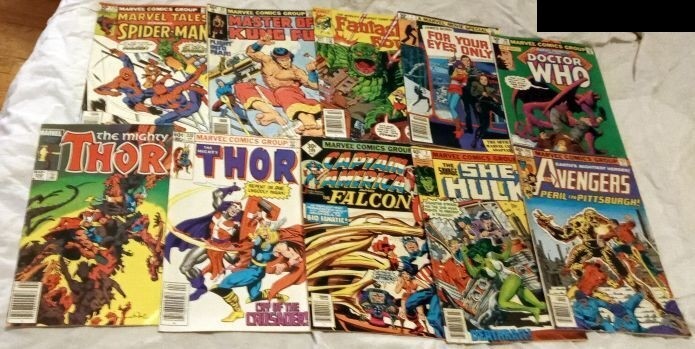


eBay links are affiliate links: JunkPal may earn a commission at no cost to you.