What does “tie-in” mean?
What it means
A tie-in is a comic book or ancillary media product directly licensed to a specific, established intellectual property (IP)—such as a film, television series, or video game. This is not merely a comic featuring a character that happens to be popular; it is an official extension of that IP. The content either directly mirrors plot points from the source material or expands upon its established canon. For the collector, the tie-in designation signals a connection to a larger, recognized franchise, which is the core value driver.
What it does to price
The tie-in status acts as a significant demand multiplier. A standard, non-tied comic might fetch $X; a desirable, high-profile tie-in of the same grade can easily fetch 1.5x to 3x that value, depending on the IP’s cultural weight. Early printings or limited promotional tie-ins carry the highest premium, often seeing multipliers exceeding 5x. Conversely, poorly executed or low-profile tie-ins (e.g., a comic for a niche, short-lived cartoon) may see a slight discount compared to the base comic’s value if the IP itself has faded. For example, a rare, early *Star Wars* tie-in comic in VF/NM condition might command $150, whereas a generic, non-tied comic of similar grade might sell for $40.
How to spot it
The tell is the official licensing mark. Look for clear copyright pages or publisher credits that name the source IP (e.g., "Licensed from Warner Bros."). Check the cover art for direct visual continuity with the source media. If the comic features an original character that is *not* part of the main IP, it is likely not a true tie-in. Sellers should provide scans of the interior copyright page. Be wary of "bootleg" or unlicensed comics that mimic the style; these lack official licensing documentation.
Buying smart
Paying a premium for a tie-in is justified when the source IP is currently or has recently achieved massive cultural relevance (e.g., a blockbuster film release). If the IP is obscure or the comic is a later, low-quality reprint, the premium is likely inflated and not worth the investment. A fair deal involves comparing the comic's grade and condition against known sales data for similar, highly-rated tie-ins from that specific franchise. If the comic is a high-grade, early issue tied to a major event, the premium is warranted.
Selling smart
Listing the tie-in status clearly is the primary driver of higher bids. Do not just list "Action Comic #12." List it as "Official [IP Name] Tie-In Comic #12." The single most effective element is providing a clear, close-up photo of the copyright page showing the IP’s official logo or name. This documentation proves authenticity and immediately signals to specialized buyers that the item carries franchise value, justifying a higher asking price.
On eBay right now
Current asking prices from live listings — not sold-comp medians.

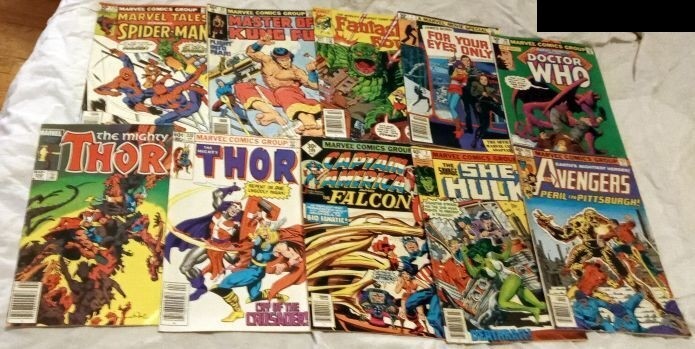


eBay links are affiliate links: JunkPal may earn a commission at no cost to you.