What does “superhero comic” mean?
What it means
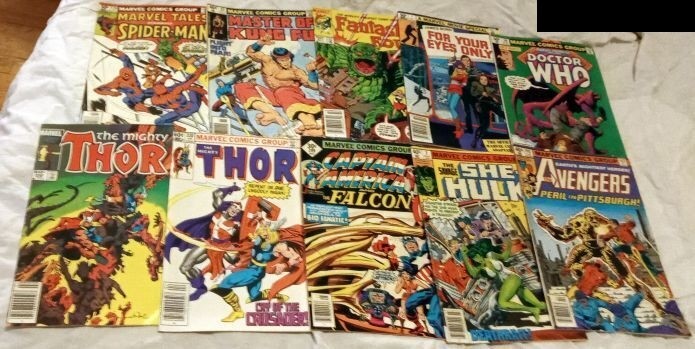
A superhero comic is a comic book featuring characters possessing powers beyond normal human capability, such as flight, superhuman strength, or advanced gear. The genre centers on narratives involving ethical dilemmas, conflict with antagonists, and themes of upholding justice. For collecting purposes, the term is a broad umbrella. It includes Golden Age (pre-1950s), Silver Age (1956-1970s), Bronze Age (1970s-1980s), and modern titles. The subgenre classification—cosmic, street-level, or science fiction—is secondary to the specific character, publisher, and publication date when assessing value.
What it does to price
Value is dictated by scarcity, condition, and character recognition. A high-grade, early issue (e.g., a 1939 Golden Age title) can see price multipliers of 10x to 100x compared to a modern, mass-market reprint. Condition is paramount; a Near Mint (NM) copy of a key Silver Age issue can fetch 3x to 5x the price of a Fine (FN) copy. Conversely, common modern titles sell for low single digits unless they feature a major crossover event. For example, a common modern Spider-Man issue might sell for $1.50 loose, while a high-grade early Fantastic Four issue could easily exceed $500.
How to spot it
Key identifiers include the character roster and the publisher’s imprint (e.g., DC Comics, Marvel Comics). Collectors must verify the issue number and printing year on the cover and interior copyright page. Sellers must provide clear images of the spine, cover, and interior pages to check for restoration or significant wear. Common errors include miscataloging reprints as originals, or failing to disclose minor tears or spine stress. Always verify the copyright date against the claimed era.
Buying smart
Premium pricing is justified when the comic is a "key issue"—an issue that marks a significant character debut, a major story arc beginning, or a major character death. Paying a premium is wise for high-grade examples of these key issues. It is not worth paying a premium for a common character in a low-grade copy, regardless of the character's fame. A fair deal involves a price that reflects the comic's grade relative to its scarcity. If a graded copy is offered, the grade must align with the asking price bracket.
Selling smart
To maximize returns, the listing must clearly state the comic's grade (if professionally graded) or provide detailed condition notes (e.g., "Fine, minor spine wear"). The single most valuable element in a listing is a high-resolution, well-lit photo of the comic's spine and cover showing the title and issue number clearly. Using precise jargon—such as "Silver Age Key Issue" rather than just "Superhero Comic"—immediately qualifies the item for higher-tier buyers, justifying a higher asking price.
On eBay right now
Current asking prices from live listings — not sold-comp medians.




eBay links are affiliate links: JunkPal may earn a commission at no cost to you.