What does “storage” mean?
What it means
Storage, in the context of comic book collecting, is the physical method and environment employed to maintain a comic's physical state over time. This is not merely about keeping comics in a box; it is about mitigating chemical and environmental degradation. Degradation factors include fluctuating humidity, temperature extremes, and UV light exposure, which cause paper yellowing, ink fading, brittleness, and mold growth. The industry standard for preservation involves using inert, acid-free, and lignin-free archival materials—specifically Mylar or polypropylene bags and buffered boards. This process is the practical equivalent of professional conservation treatment.
What it does to price
Storage quality directly influences the final market grade and, consequently, the price. A comic stored improperly (e.g., in a damp basement box) will suffer tangible damage, regardless of its original condition. A comic graded CGC/CBCS in a protective slab, which implies professional, archival storage, commands a significant premium. A high-grade, professionally stored copy of a key issue might fetch 2x to 4x the price of a comparable loose copy in the same grade, due to the reduced risk of future damage. Conversely, a comic with visible environmental damage (foxing, mold spots) will see a discount of 20% to 50% off its expected value, even if the structural grade is otherwise high.
How to spot it
Physical inspection reveals storage issues. Look for discoloration around the edges, brittleness when handling, or signs of mold (fuzzy, dark spots). When purchasing online, sellers must provide clear photos of the comic's spine and edges. Ask for photos of the storage materials being used—the bags and boards should appear clean, opaque, and free of chemical residue. A common mistake is using cheap, PVC-based bags; these off-gas chemicals that actively damage the paper over time. A true sign of good storage is the complete absence of environmental staining.
Buying smart
Paying a premium for superior storage is worthwhile when acquiring high-value, investment-grade comics (e.g., Silver Age key issues or modern high-grade debuts). If a comic is ungraded but is being sold with documented, professional archival storage, the added cost is justified as risk mitigation. It is not worth paying a large premium for pristine storage on low-value, common filler comics. A fair deal involves the seller demonstrating consistent, professional care; the cost of the storage materials should be negligible compared to the comic's market value.
Selling smart
When listing, documenting proper storage is a key selling point that justifies a higher asking price. Sellers should explicitly state the storage method: "Stored in Mylar/archival bags and boards." If the comic is slabbed (graded), the certification itself is the proof of storage quality. The single most effective piece of evidence is a clear, high-resolution photograph showing the comic's edges and corners, demonstrating no signs of warping or environmental staining. This documentation shifts the sale from "a comic" to "a preserved asset."
On eBay right now
Current asking prices from live listings — not sold-comp medians.

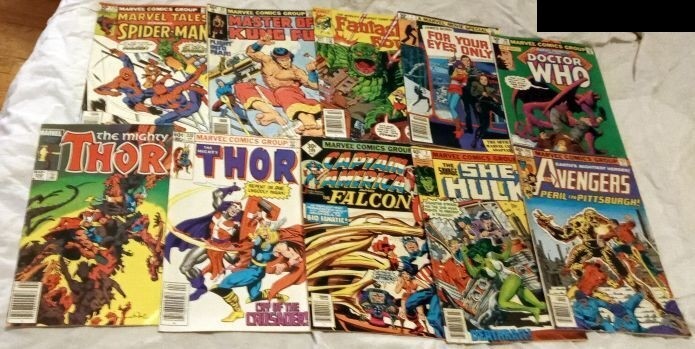


eBay links are affiliate links: JunkPal may earn a commission at no cost to you.