What does “staple condition” mean?
What it means
Staple condition is a mid-range grade indicating a comic book that is structurally sound and generally well-kept, but exhibits minor, non-catastrophic wear consistent with its age or handling. It is a step above "Good" (which implies significant wear) but falls short of "Fine" or "Very Fine" (which imply near-mint preservation). This grade means the book is complete, the cover is intact, and the spine is generally straight, though minor stress lines, slight corner softening, or light surface scuffs are expected. It is the mainstream equivalent of "Very Good Plus" in general grading scales.
What it does to price
Staple condition occupies the sweet spot between high-value premium grades and low-value bulk. For a common title, the price difference between a Staple copy and a Fine copy can be 2x to 4x. For a desirable, mid-tier character book, the difference can exceed 5x. Flaws that push it down include significant spine roll or heavy creasing. Flaws that push it up include crisp corners and clean, unblemished color saturation. A realistic example: a $30 loose copy might sell for $60–$90 graded in Staple, depending on the book's inherent demand.
How to spot it
Visual inspection focuses on the spine and corners. Look for minor, hairline stress along the spine fold, light rubbing on the edges, and slight rounding on the corners—not deep creases or tears. Sellers must provide high-resolution photos of the spine from both sides and close-ups of all four corners. A common honest mistake is mislabeling a book with noticeable spine stress as "Fine." A potential fake is a book that looks artificially cleaned or restored; true Staple wear is organic.
Buying smart
Paying the premium for Staple condition is worthwhile when the book is a key part of a collection where visual perfection is secondary to completeness and narrative continuity. It is a fair purchase when the listed flaws (e.g., "light spine stress") match the photos provided. It is not worth the premium if the book is listed as Staple but the photos reveal heavy creasing or significant discoloration, which signals a lower grade. A fair deal involves a price that reflects the *minor* nature of the stated flaws, not the *potential* for perfection.
Selling smart
To maximize value, the listing must precisely define the wear. Instead of just saying "Staple," specify the exact condition markers: "Staple, minor spine stress only, corners sharp." The single most valuable asset in the listing is a clear, high-resolution photo specifically highlighting the *most prominent* flaw. If the flaw is minor, the premium is maintained. If the flaw is significant, the price must drop to match the reality, preventing buyer disputes and returns.
On eBay right now
Current asking prices from live listings — not sold-comp medians.


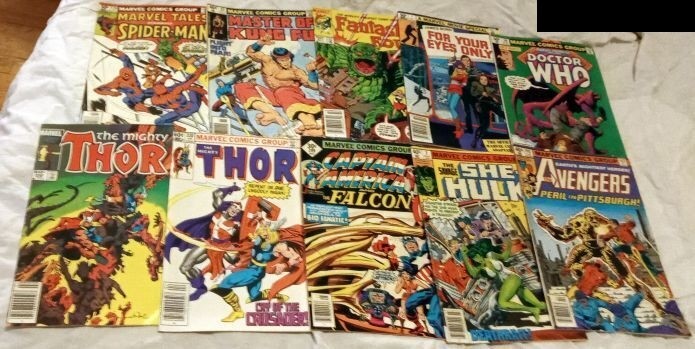


eBay links are affiliate links: JunkPal may earn a commission at no cost to you.