What does “special edition” mean?
What it means
"Special edition" in comics refers to a production run intentionally restricted below the standard mass market release. This restriction is achieved through various methods: limited print runs, specific variant covers, deluxe packaging (e.g., hardcover, slipcase), or exclusive content inserts. It is distinct from a simple "variant" (which often just means a different color cover) because a special edition implies a higher level of production value or scarcity beyond a simple color swap. The niche jargon translates to "limited availability premium." The core value driver is verifiable scarcity.
What it does to price
The designation creates a baseline price floor above the standard issue. A standard copy might sell loose for $5; a verifiable, high-grade special edition copy can easily fetch $15 to $50 or more, depending on the series popularity. Multipliers vary wildly. A standard copy might sell for 1x its base value. A low-tier special edition (e.g., a simple color variant) might command 1.5x to 2x the base price. A high-tier special edition (e.g., a numbered, deluxe hardcover) can see multipliers of 5x or greater. Factors pushing value up include high-profile creators, numbering (e.g., 1/100), and condition. Value drops if the print run was later expanded or if the "special" feature is easily replicated.
How to spot it
Look for explicit markings: "Limited Edition," "Collector's Edition," or specific numbering (e.g., "Edition 1 of 500"). Check the copyright page or the inside front cover for print run disclosures, though these are often omitted. Photos must clearly show any unique packaging or inserts. Common mistakes include mislabeling a standard variant as a special edition. Fakes often involve poor print quality on the special elements or incorrect numbering sequences. Always request high-resolution photos of the spine, cover art, and any certification tags.
Buying smart
Paying a premium is justified only when the scarcity is genuine and the item is in high grade (CGC 9.0+ is ideal for maximizing return). Paying a premium for a poorly graded or damaged special edition is a poor investment. A fair deal means the premium paid over the standard issue price reflects the documented scarcity and the item's condition relative to known sales data for that specific run. If a dealer claims a massive premium without providing verifiable evidence of the limited run, the deal is likely inflated.
Selling smart
Proof of scarcity is the primary driver of premium pricing. A listing must explicitly state *why* it is special (e.g., "Limited to 500 copies," "Signed Deluxe Edition"). The single most effective element is a photograph clearly displaying the edition marker or the numbering sequence. Using the exact terminology from the publisher (e.g., "Variant Cover A, Limited Run") in the title and description immediately signals authenticity and justifies a higher asking price to knowledgeable buyers.
On eBay right now
Current asking prices from live listings — not sold-comp medians.

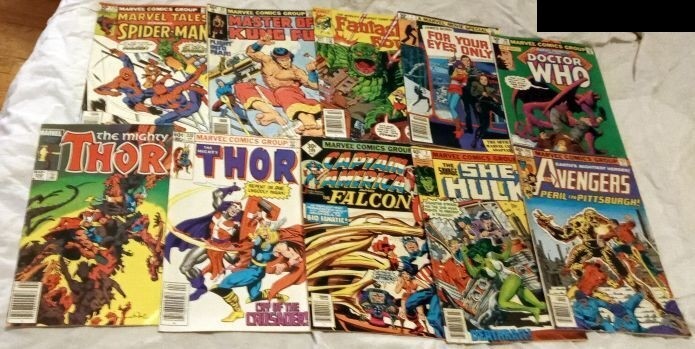


eBay links are affiliate links: JunkPal may earn a commission at no cost to you.