What does “slabbed vs raw” mean?
What it means
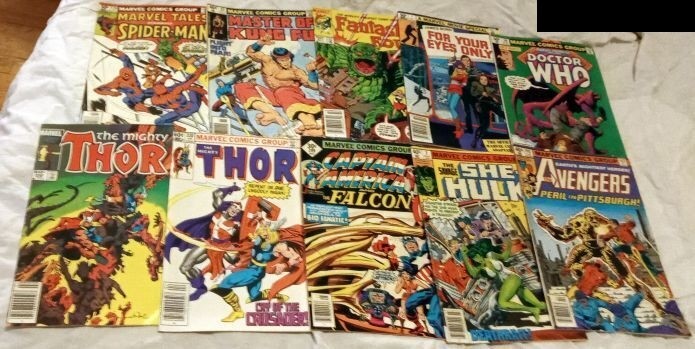
"Slabbed" refers to a comic book that has been submitted to a third-party grading service (like CGC or CBCS) and sealed in a tamper-evident, protective plastic case, or "slab." This process involves a professional assessment assigning a numerical grade (e.g., 9.8, 6.0) based on objective criteria: centering, cover wear, spine integrity, and interior condition. "Raw" means the comic is ungraded and remains in its original, loose state. The grading service acts as an independent authenticator and condition certifier.
What it does to price
The difference in price is substantial. A high-grade slab (e.g., a 9.4 or higher) of a desirable book can fetch 3x to 10x the price of a comparable raw copy, depending on the book's rarity. A low-grade slab (e.g., a 3.0) often sells for less than a well-preserved raw copy because the grade is a ceiling, not a guarantee of quality. For example, a raw copy of a key Silver Age book might sell for \$150; the same book in a certified 8.0 slab could easily command \$500+. The grade acts as a verified condition floor.
How to spot it
Slabbed comics have a specific, standardized plastic case with a holographic or printed label displaying the grade and the grading company's logo. Raw comics lack this case entirely. When evaluating a slab, verify the grading company's reputation. Common issues include "grade inflation" (where a service over-grades) or counterfeits—fakes that mimic the official slab design. Always check the grade sticker against known market standards for that specific title.
Buying smart
Paying the premium for a slab is worthwhile when the book is a high-tier investment piece, highly sought after, or if the buyer requires absolute proof of condition for insurance or collection integrity. If the comic is a low-tier, common title, the grading fee plus the premium often outweighs the marginal increase in resale value. A fair deal means the slab's grade aligns with the market expectation for that book; paying a 5x premium for a slab graded 6.0 when the raw market is pricing it at 2x is overpaying.
Selling smart
Listing a slabbed comic requires the grade and the grading company name to be front and center. This instantly validates the item and justifies a higher asking price. The single most effective element in a listing is a clear, high-resolution photo of the *entire* slab, showing the grade label unobstructed. Avoid vague condition descriptions; let the slab do the selling. Buyers pay the premium for the certification, not the seller's opinion of the book.
On eBay right now
Current asking prices from live listings — not sold-comp medians.




eBay links are affiliate links: JunkPal may earn a commission at no cost to you.