What does “signed copy” mean?
What it means
A signed copy is a comic book bearing an authentic, handwritten mark from the creator, writer, or artist. This mark is the signature. It is not merely a piece of memorabilia; it is a verifiable piece of provenance linking the physical object directly to the creative individual. The signature functions as a form of secondary authentication, confirming direct association. The mainstream equivalent is an authenticated autograph. The value is derived from this personal connection, not just the comic's inherent condition or scarcity.
What it does to price
The signature acts as a direct, quantifiable premium. For a standard, high-grade (e.g., 9.0+) issue, a genuine signature can typically add a 50% to 200% multiplier over the book's base market value. A signature on a highly desirable, low-print-run book can push the premium higher. Conversely, a poorly executed signature, or one on a common, low-grade copy, may add negligible value or even detract from perceived quality. For example, a standard Silver Age key issue might sell for $500 loose; the same book with a verified signature could easily command $800 to $1,200.
How to spot it
Authenticity relies on multiple factors. First, examine the signature style against known examples of the signatory. Second, check the medium—is it ink, marker, or pencil? Third, inspect the signature for inconsistencies in ink bleed or pressure. Sellers must provide high-resolution, well-lit photos showing the signature in context with the comic's cover and interior. Common fakes involve photocopied signatures or signatures applied over existing print lines. An honest mistake is often a poorly placed signature that obscures important artwork or text.
Buying smart
Paying a premium for a signed copy is justified when the comic itself is a high-tier asset (a key issue, a first appearance, or a highly sought-after character). If the comic is common, the premium rarely justifies the risk of an inauthentic signature. A fair deal requires the premium to be proportional to the signatory's market value. If a $100 book is offered with a signature for $300, further verification is mandatory. If the signature is from a minor creator, the premium should be minimal, perhaps 10-25%.
Selling smart
To maximize return, the listing must immediately establish provenance. The single most valuable element in a listing is a clear, close-up photo of the signature, preferably showing the signature *and* the signature's relation to the comic's surface (e.g., on the cover). If the signature is professionally authenticated (e.g., CGC/CBCS certified), the certification number must be front and center. Without clear proof of authenticity, the premium cannot be charged, and the item is priced as a standard, unsigned copy.
On eBay right now
Current asking prices from live listings — not sold-comp medians.


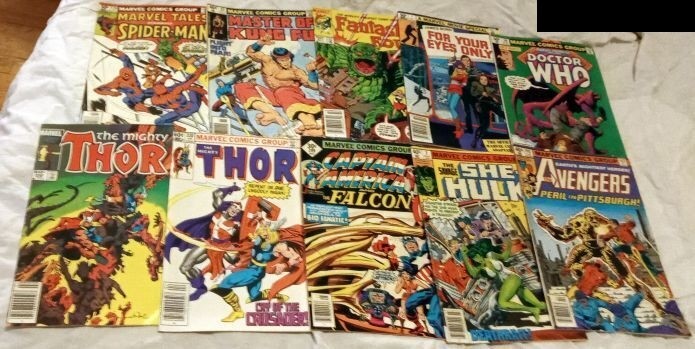



eBay links are affiliate links: JunkPal may earn a commission at no cost to you.