What does “signature block” mean?
What it means
A signature block is an original, handwritten inscription or autograph directly applied to the comic book by the creator, artist, writer, or a recognized figure connected to the title. This is not a printed facsimile, a stamp, or a sticker placed on the exterior. The term refers to the physical mark itself. In the collecting sphere, this is the primary differentiator between a standard copy and a signed collectible. The value hinges entirely on the authenticity of the mark.
What it does to price
A genuine signature can cause price spikes ranging from 50% to several hundred percent depending on the signatory's fame and the rarity of the issue. A standard, high-grade comic might sell for $500 loose. The same comic, when authenticated with a signature from a major creator (e.g., Jack Kirby, Steve Ditko), can easily command $1,500 to $4,000+ depending on the signature's quality and the comic's condition. A poorly placed or faint signature may only add a modest 25% premium, whereas a clear, central signature on a key issue can multiply the value by 3x or more.
How to spot it
Authenticity requires close inspection. Examine the ink flow; genuine signatures often show variations in pressure and line thickness that are difficult for modern printers to replicate perfectly. Look for ink bleed-through on the reverse side, which is common with fountain pen or marker signatures. Common fakes involve tracing over a printed image or using modern, uniform ballpoint pen strokes. Always request high-resolution close-up photos of the signature itself, not just the whole book. Be wary of signatures applied over creases or folds, as these often indicate an attempt to hide poor condition.
Buying smart
Paying a premium for a signature is justifiable when the comic is already a high-demand, key issue, and the signatory is a blue-chip figure in the industry. If the comic is a low-tier character appearance or a minor issue, the premium may not cover the risk of forgery. A fair deal involves the asking price reflecting both the comic's grade *and* the established market value of the specific signatory's autograph. If a seller cannot provide any form of provenance or third-party certification, the premium should be heavily discounted until verification is possible.
Selling smart
Listing a signed comic requires explicit, high-quality documentation. The listing description must clearly state the signatory and the nature of the inscription. The single most valuable asset in the listing is a macro photograph focusing solely on the signature, ideally showing the ink against the paper texture. If the comic is professionally graded (CGC, CBCS) and the signature is encapsulated with the comic, this provides immediate, undeniable proof, allowing the seller to command the highest tier of market price.
On eBay right now
Current asking prices from live listings — not sold-comp medians.


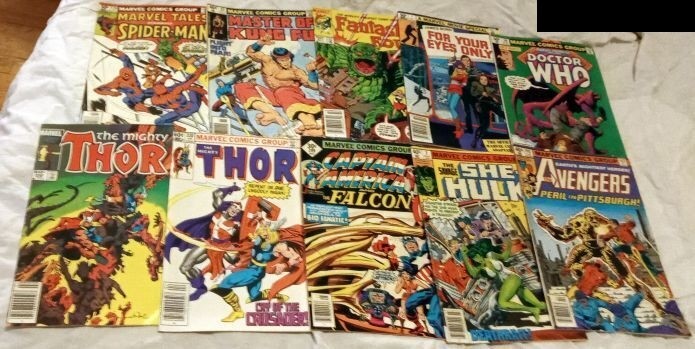



eBay links are affiliate links: JunkPal may earn a commission at no cost to you.