What does “seam wear” mean?
What it means
Seam wear is physical damage localized to the binding area of a comic book. This damage occurs where the pages meet the cover or where the spine folds. It is not merely creasing; it involves structural degradation of the paper along the binding line. Manifestations include fraying, splitting, cracking, or noticeable distortion of the paper fibers. In grading terms, this is a key component of the book's structural integrity assessment. While "spine wear" is a broader term, seam wear specifically isolates the damage to the actual fold or binding seam, distinguishing it from general cover wear.
What it does to price
Seam wear is a direct negative modifier on market value. Minor seam wear (light scuffing or slight discoloration at the fold) might result in a 10-20% reduction from a pristine copy's value. Moderate seam wear (visible paper splitting or noticeable creasing along the spine) can drop value by 30-50%. Severe seam wear, where the paper is visibly separating or the binding is compromised, can lead to a 60%+ devaluation, potentially pushing the book into a lower grade bracket entirely. For example, a high-grade, mint copy might command $1,000; the same book with moderate seam wear could realistically sell for $450 to $650.
How to spot it
Inspection requires close scrutiny of the spine area. Look for localized paper thinning, discoloration concentrated along the fold, or actual tears where the pages meet. Sellers must provide high-resolution photos specifically targeting the spine and the inner gutter of the book. A common mistake is confusing minor surface abrasion (which is less damaging) with true seam separation. Fakes are rare in this area, as seam wear is an organic result of handling, but sellers sometimes exaggerate minor folding into severe damage to justify a lower price.
Buying smart
Paying a premium for a comic with significant seam wear is only justifiable if the book is otherwise flawless in all other aspects (e.g., cover gloss, color saturation, interior condition). If the wear is substantial, the premium is not worth the risk; the discount should reflect the structural compromise. A fair deal involves a price that clearly discounts the book based on the visible severity of the seam damage relative to its overall grade. If the seam wear is heavy, the price should reflect a book that has seen heavy circulation.
Selling smart
Documenting seam wear accurately is crucial for setting a realistic asking price. Do not hide it. Buyers are experienced enough to spot misrepresentation. The single most effective piece of evidence is a close-up, well-lit photograph focused directly on the damaged seam. Listing the specific degree of wear (e.g., "Minor seam fraying present") allows the seller to target buyers willing to accept that condition, thus maximizing the return for the item's actual state.
On eBay right now
Current asking prices from live listings — not sold-comp medians.

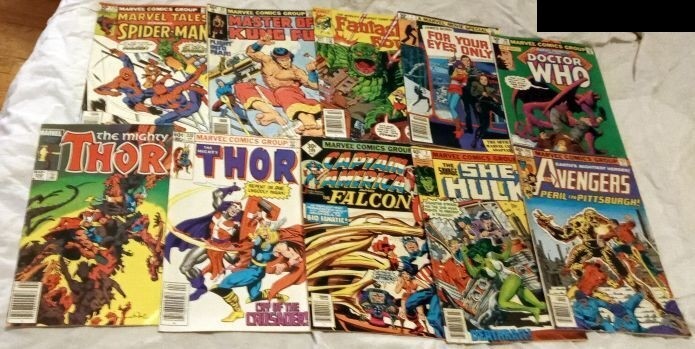


eBay links are affiliate links: JunkPal may earn a commission at no cost to you.