What does “run length” mean?
What it means
Run length denotes the unbroken sequence of issues within a specific comic book series. It is the total count of consecutively numbered issues held. For example, owning issues #1 through #50 constitutes a run length of 50. This concept is the precise equivalent of owning a complete chronological set. The definition does not refer to the physical size of the book, but the numerical continuity of the publication dates and issue numbers. A "complete run" implies no gaps in the sequence, from the starting issue to the final issue possessed.
What it does to price
Complete runs command a significant premium over single, random issues. The multiplier varies based on the series' overall demand and the run's significance. For a moderately popular, non-key series, a complete run can fetch 3x to 6x the value of the average loose issue within that run. If the run contains major milestones (e.g., first appearances, major creative team changes), the multiplier can exceed 10x. A short, highly iconic run (e.g., a 12-issue arc) often has a higher relative premium than a very long, filler-heavy run. For instance, a complete run of a highly sought-after 20-issue mini-series might sell for $1,500, whereas 20 loose copies of those same issues might only sell for $300 total.
How to spot it
Verification requires cross-referencing issue numbers against the series' official publication history. Sellers must provide clear scans or photos showing the issue number on the cover and the interior title page for several representative issues across the run. Common errors include missing the very first issue (#1) or having a single gap in the middle (e.g., missing #15). A "near-complete" run is distinct from a "complete run" and will sell at a substantial discount (often 30-50% less). Fakes are rare for run length verification, but sellers sometimes misrepresent a partial run as complete to inflate the asking price.
Buying smart
Paying a premium for a complete run is justified when the series is critically acclaimed, has high secondary market demand, or contains essential character debuts. If the run is from a low-tier, obscure title, the premium is rarely worth the cost unless the buyer is completing a specific, niche collection. A fair deal for a complete run requires the asking price to be reasonably aligned with the average market value of the highest-grade copies within that sequence. If the seller is asking for a price that is more than double the aggregated loose value of the issues, further due diligence is required.
Selling smart
Listing a run as "Complete Run" or "Full Sequence" immediately signals a higher value proposition to serious collectors. This terminology justifies a higher price bracket because it sells the narrative, not just the paper. The single most effective element in a listing is a photographic evidence sheet—a single, clear image showing the sequence of issue numbers (e.g., #1, #2, #3... #50) laid out or clearly visible in a collage. This visual proof eliminates buyer doubt and secures the premium associated with completeness.
On eBay right now
Current asking prices from live listings — not sold-comp medians.

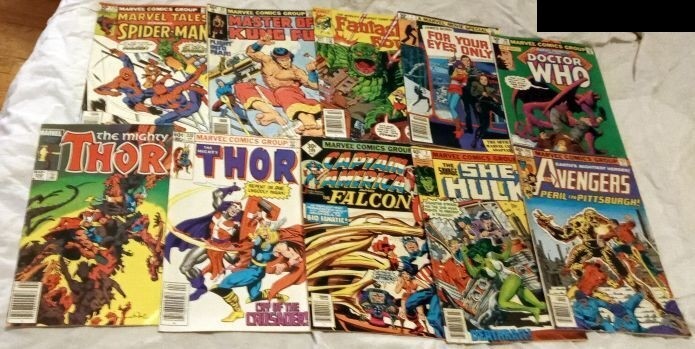


eBay links are affiliate links: JunkPal may earn a commission at no cost to you.