What does “romance comics” mean?
What it means
Romance comics are sequential art narratives where the primary conflict or driving force revolves around romantic relationships. This genre encompasses storylines featuring courtship, emotional entanglement, love triangles, and relationship drama. The term covers a broad historical spectrum, from mid-century melodramas to modern, serialized relationship narratives. In the collecting context, the genre is often cross-referenced with "Women's Comics" or "Genre Fiction" depending on the era and publisher. Modern iterations frequently blend into "Slice-of-Life" or "Drama" titles, but the core focus remains romantic development.
What it does to price
Pricing is highly variable, depending almost entirely on the specific title and publisher's historical importance. A common romance title in good condition might trade for $5–$25 loose. Key issues—first appearances of major characters or significant plot turning points within a specific romance run—can see multipliers of 3x to 10x the standard issue price. High-grade, early printings from established romance imprints can command premiums exceeding $100. Conversely, low-circulation or poorly printed titles often sell for under $2, regardless of condition. A low-grade copy of a popular title might sell for $3, whereas a high-grade copy of the same issue could fetch $30.
How to spot it
The primary tell is the cover art and internal narrative focus. Covers typically feature highly stylized depictions of couples, dramatic emotional expressions, or suggestive scenarios. Look for recurring motifs: letters, clandestine meetings, dramatic confrontations, or jewelry. For older titles, check the publisher’s imprint; many specialized romance publishers used distinct, often ornate, logo treatments. Sellers should provide high-resolution scans of the interior pages to confirm the narrative focus is consistently romantic, not merely featuring romance as a subplot to a crime or sci-fi plot. Misidentification often occurs when a dramatic, but non-romantic, melodrama is misfiled as romance.
Buying smart
Paying a premium is justified when acquiring a foundational piece of a specific, sought-after romance run, especially if the title is known to be scarce (low print runs). A fair deal involves paying a price that reflects the issue's position within its series—a mid-run filler issue should not command the price of a cover-defining issue. If the title is obscure and lacks documented collector demand, the premium should be minimal. If a seller is asking for 5x the average price for a standard, non-key issue, the purchase is likely overpriced unless the book is graded near Mint condition.
Selling smart
To maximize sale value, the listing must clearly define the genre and the specific niche appeal. Use precise language: "Classic Melodrama Romance" or "Mid-Century Relationship Drama." The single most effective element in a listing is a clear, high-resolution photo of the title page and copyright information, allowing buyers to verify the exact printing and edition. If the book is from a known, high-demand romance imprint, explicitly stating that imprint name in the title or description immediately signals collector relevance and supports a higher asking price.
On eBay right now
Current asking prices from live listings — not sold-comp medians.

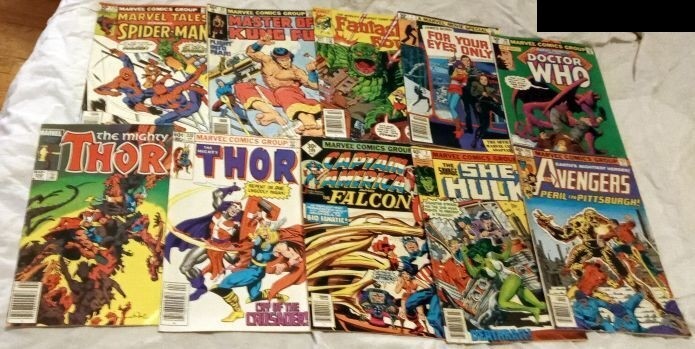


eBay links are affiliate links: JunkPal may earn a commission at no cost to you.