What does “rip edge quality” mean?
What it means
Rip edge quality describes the physical integrity of the comic book's perimeter. It is the assessment of the paper along the four edges—top, bottom, left, and right—specifically noting the presence, size, and nature of damage. Damage manifests as tears, nicks, chips, or rough, uneven cuts. A "rip edge" is a tear where the paper fiber has been broken rather than cleanly severed by a cutter. This is a critical component of overall book condition, often categorized under "Edge Wear" in grading standards. A clean, sharp edge is the baseline for high-grade books.
What it does to price
Edge damage acts as a direct downward pressure on value. Minor nicks or slight roughness might reduce a book's value by 10-20% compared to a near-mint copy. Significant tears, especially those running along the spine or corners, can drop the value by 40% or more, potentially relegating a book to a lower grade bracket (e.g., dropping from VF to FN). For example, a high-demand book graded 9.8 with perfect edges might sell for $500; the same book with noticeable, but minor, rip edges might sell for $350-$400. Conversely, flawless edges are the primary factor pushing a book into the highest price tiers.
How to spot it
Inspection requires examining all four sides under strong, direct light. Look for feathered paper fibers, which indicate a tear, versus a clean break. Nicks are small, sharp indentations. Common mistakes include improper handling during storage or rough handling during trade. Sellers should provide high-resolution photos of all four edges, not just the front cover. A common deceptive practice is hiding minor edge damage by only photographing the front cover; this is an honest mistake if the damage is truly minor, but a deliberate misrepresentation if it is significant.
Buying smart
Paying a premium for perfect rip edge quality is justified when the comic is a high-demand, investment-grade title (e.g., key first appearances or high-grade Silver Age books). If the book is common or low-grade, the marginal increase in price for perfect edges rarely justifies the cost. A fair deal involves the price reflecting the *actual* condition. If a seller claims "Near Mint" but the edges show clear signs of handling damage, the price is inflated. Acceptable value is when the condition description matches the observable edge quality.
Selling smart
Transparency regarding edge quality maximizes buyer trust and minimizes returns. Listing the exact condition of the edges (e.g., "Minor edge wear on bottom right corner" or "Clean edges throughout") allows the buyer to self-qualify. When selling a high-grade book, the single most effective photo is a close-up, well-lit shot of all four edges. This photo acts as proof of condition, allowing the seller to confidently command the top-tier price without fear of disputes over hidden damage.
On eBay right now
Current asking prices from live listings — not sold-comp medians.

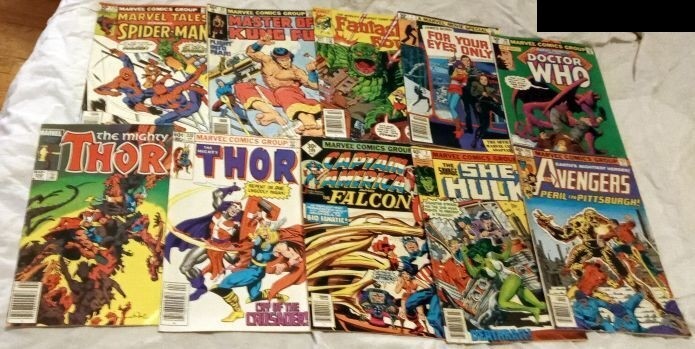


eBay links are affiliate links: JunkPal may earn a commission at no cost to you.