What does “retouching” mean?
What it means
Retouching is the physical repair of damage to a comic book. This process corrects flaws like tears, creases, pinholes, and minor surface abrasions. Professional retouching is performed by specialized restorers to bring the comic's appearance as close as possible to its original, pristine state. The term is often used interchangeably with restoration, though true restoration can involve color correction or material replacement, which is a higher level of intervention. For grading purposes, retouching is a significant factor. While some purists prefer "untouched" books, expert retouching can elevate a book's grade, moving it into higher numerical ranges. Amateur or crude repairs, however, are considered damage and severely detract from value.
What it does to price
The impact of professional retouching is highly variable based on the book's inherent value and the quality of the repair. For common, low-value books, the cost of retouching often outweighs the potential increase in sale price. For high-value key issues, expert retouching can push a book's grade up a full half-grade or more, leading to substantial price increases. A CIB (Complete Interior/Book) copy that has undergone high-quality, invisible retouching might fetch 1.5x to 3x the price of an equivalent, unretouched copy in the same numerical grade range. Conversely, obvious or poorly executed repairs can cause a grade reduction of one full step, resulting in a loss of 30% or more of the book's potential value.
How to spot it
Identifying professional vs. amateur retouching requires close examination. Professional repairs aim for invisibility; they use materials that match the paper stock and ink density. Look for evidence of uneven texture, differing paper sheen, or slight color shifts around the repair area—these indicate amateur work. When purchasing online, demand high-resolution, close-up photos focusing specifically on areas noted as repaired. Sellers claiming retouching should ideally provide documentation or a certificate of restoration from the service provider. A common mistake is mistaking minor shelf wear for a repair; genuine retouching is a deliberate intervention on existing damage.
Buying smart
Paying a premium for retouching is justifiable only when the book is a high-demand, high-value key issue, and the repair work is demonstrably expert and invisible. If the book is a common title or the repair is visible under magnification, the premium is not worth the risk. A fair deal involves the seller clearly stating the extent of the repair (e.g., "light crease removal on spine") and providing proof of the quality of the work. If the seller cannot provide clear evidence of professional, high-quality intervention, the book should be valued as if it were unretouched.
Selling smart
When listing a book that has been professionally retouched, disclosure is mandatory for maintaining buyer trust and achieving the highest possible price. The listing description must explicitly state that the book has been professionally retouched, detailing the nature of the repair if possible (e.g., "minor tear stabilized and restored"). The single most effective element in earning a premium is a high-resolution, macro photograph clearly showing the repaired area, allowing the buyer to verify the quality of the restoration work. Hiding the repair or misrepresenting it guarantees a lower sale price or a negative review.
On eBay right now
Current asking prices from live listings — not sold-comp medians.

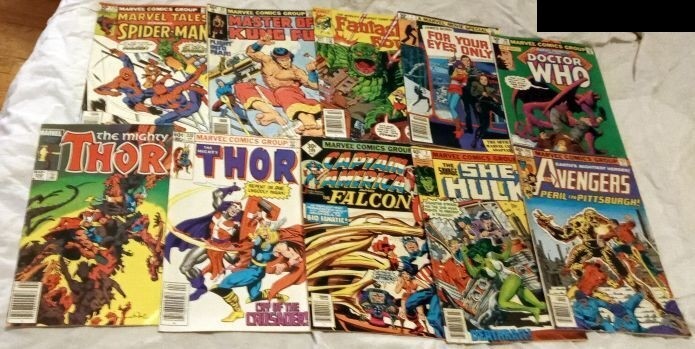


eBay links are affiliate links: JunkPal may earn a commission at no cost to you.