What does “retail copy” mean?
What it means
A retail copy is a comic book sold directly from a licensed, independent comic book store (a "retailer") to the final buyer. This contrasts with copies sourced through large-scale distributors or bulk wholesalers, which are often used for grading or high-volume resale. The distinction is about provenance—the book's origin point in the distribution chain. It is not a separate grade category but a descriptor of how the item entered circulation. For the collector, it signifies the item passed through the standard consumer retail channel.
What it does to price
The presence of clear retail provenance does not guarantee a price increase. For standard, non-key issues, the price difference between a "retail copy" and a standard "direct market" copy is negligible, often less than 5%. For high-demand, graded, or variant covers, the premium is minimal unless the retail copy includes specific, desirable store-specific packaging or original price tags that are themselves collectible. If a book is otherwise identical, a retail designation adds zero measurable value. A clean, high-grade retail copy of a mid-tier book might fetch $5–$15 more than an identical unprovenanced copy, primarily due to the buyer's preference for verified retail history.
How to spot it
The primary tells are physical markings. Look for original price stickers, store stamps, or handwritten inventory marks applied by the retailer. Sometimes, the bag or box used for retail display will have unique store branding. Fakes are rare for this designation; the issue is usually an honest lack of documentation. If a seller claims it is a "retail copy" but provides no photographic evidence of store markings, the claim is unsubstantiated and should be treated as a standard copy.
Buying smart
Paying a significant premium for the "retail copy" designation is rarely warranted unless the book is a highly sought-after variant or has exceptional historical significance tied to a specific local shop. If the book is common, the small potential premium does not justify the risk of overpaying. A fair deal occurs when the price difference between a documented retail copy and an otherwise identical, unprovenanced copy is less than 10% of the total asking price. If the markup exceeds 20% without a clear, documented reason, the premium is inflated.
Selling smart
To maximize value, the seller must provide undeniable proof of the retail origin. The single most effective asset is a clear, high-resolution photograph showing the original store price tag or a unique retailer stamp clearly visible on the book or its packaging. Listing the item as "Retail Copy - [Store Name, if known]" and including this photo shifts the item from a generic commodity to a piece of documented consumer history, justifying a modest premium for specialized buyers.
On eBay right now
Current asking prices from live listings — not sold-comp medians.

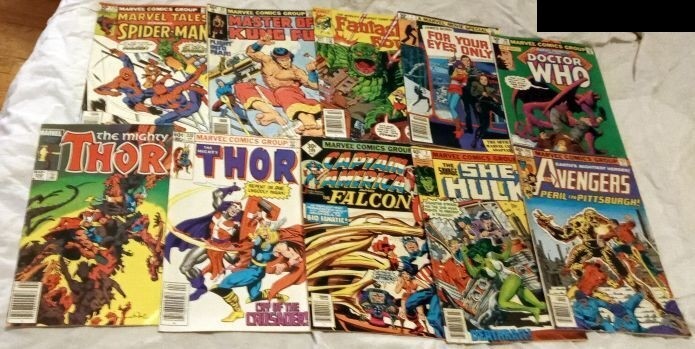


eBay links are affiliate links: JunkPal may earn a commission at no cost to you.