What does “restoration” mean?
What it means
Restoration in comics is the professional intervention applied to mitigate physical damage—tears, creases, staining, spine stress, or fading—to a comic book. This is distinct from simple "cleaning" or "pressing." True restoration involves chemical stabilization, structural repair (e.g., backing with archival material), and color correction to halt degradation. The goal is physical preservation, not necessarily perfect aesthetic perfection. In the collecting niche, this is a high-level conservation effort, not mere cosmetic repair. The key distinction is that restoration alters the artifact's original state; it is an intervention.
What it does to price
The impact on price is highly variable and dependent on the grade and the quality of the restoration. Minor, non-invasive repairs (like small tears mended with archival tape) might add 10-25% to the market value, especially if the book is otherwise high-grade. Major, invasive restoration (heavy color touch-ups, significant structural rebuilding) can cause a value drop of 20-50% for purists, even if the book looks better. Conversely, a restoration that brings a severely damaged book to a near-grade standard can unlock significant value, potentially 1.5x to 3x the value of the unrestored, low-grade copy. A $100 unrestored book might sell for $180 post-restoration if the repair is subtle and professional.
How to spot it
Look for telltale signs of intervention. Professional restoration often involves backing boards or specific material overlays that are not standard for the era. Ask for high-resolution, close-up photos of the spine and the interior pages. Look for uneven coloration or "too perfect" areas that suggest color correction or fading reversal. Common mistakes include using non-archival adhesives or visible, amateur tape repairs. If a seller claims restoration but provides no documentation or photos showing the *before* state, skepticism is warranted.
Buying smart
Paying a premium for restoration is justified when the book is otherwise too damaged to be graded or sold at a reasonable price point, and the restoration is documented as being archival quality. If the book is already in a high grade (e.g., 9.0+), avoid restoration unless it is absolutely necessary for structural integrity; the value premium for "unaltered" condition outweighs the visual improvement. A fair deal involves a clear disclosure of the restoration type and a price that reflects the *risk* of the intervention, not just the resulting appearance.
Selling smart
Disclosure is paramount. Listing a book as "Restored" or "Professionally Treated" is better than implying it is unrestored. If the restoration is minor and high-quality, use terms like "Archival Stabilization." If the restoration is heavy, state it clearly. The single most valuable element in the listing is a high-resolution photo showing the *point of intervention* (e.g., a close-up of the spine repair or a corner patch) alongside a clear description of the technique used. This manages buyer expectations and prevents disputes.
On eBay right now
Current asking prices from live listings — not sold-comp medians.


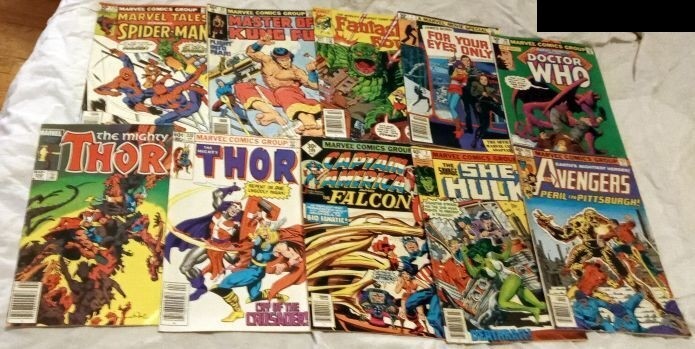

eBay links are affiliate links: JunkPal may earn a commission at no cost to you.