What does “raw find” mean?
What it means
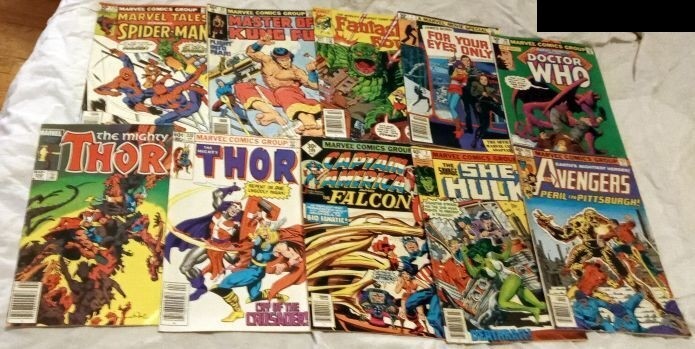
A raw find is a comic book or collectible item sold in its original, ungraded state. It has not been submitted to, nor certified by, a professional grading service such as CGC or CBCS. This is the baseline condition for most secondary market transactions. The core concept is potential value. A raw find is essentially an unverified asset. The mainstream equivalent is an "ungraded copy." The term implies the item is being sold as-is, without the third-party verification of grade, centering, or restoration that a slabbed book provides.
What it does to price
Raw finds trade at a discount relative to their graded counterparts. Generally, a comparable, high-demand raw copy will fetch 30% to 60% less than the same book graded in a high-grade slab (e.g., a raw 9.0 versus a graded 9.0). Condition is the primary driver. A raw copy in Near Mint (NM) condition might sell for $50, whereas the same book graded 9.8 might command $150. Factors pushing the price up include rarity and perceived condition; a raw copy with pristine cover corners commands a higher price than a visibly creased one, even if both are technically "raw."
How to spot it
The tell is the absence of a protective plastic case (a "slab") bearing a company logo and grade. Sellers may use terms like "loose," "book," or "ungraded." When evaluating a raw find, scrutinize the book's physical state. Look for spine stress, tanning (yellowing), and corner wear. Sellers must provide high-resolution photos of the front, back, and all visible interior pages. A common mistake is misrepresenting condition; a book described as "Fine" that shows heavy spine roll is misleading. Fakes in the raw market are less about forgery and more about misrepresentation of condition.
Buying smart
Paying a premium for a raw find is justifiable only when the book is highly sought after and the seller provides verifiable proof of excellent condition. This strategy is for collectors who enjoy the hunt or resellers with the capital to submit books for grading. It is not a good strategy for casual buyers seeking immediate, guaranteed value. A fair deal involves the purchase price being significantly below the established market rate for the same book in a comparable, low-to-mid-grade slab. If the raw price is within 15% of the lowest comparable graded price, the risk outweighs the potential reward.
Selling smart
To maximize return, the listing must manage expectations while highlighting potential. Do not imply a grade; state the condition honestly (e.g., "VG/FN"). The one element that earns the premium is detailed photographic evidence. A clear photo showing the spine integrity and corner sharpness proves the book’s physical quality, allowing the buyer to mentally "grade" it higher than the seller might claim. Use the term "Ungraded" explicitly. If the book is genuinely pristine, stating "Near Mint condition, ungraded" attracts serious buyers willing to pay closer to the graded price, provided the photos back it up.
On eBay right now
Current asking prices from live listings — not sold-comp medians.



eBay links are affiliate links: JunkPal may earn a commission at no cost to you.