What does “raw comic” mean?
What it means
A raw comic is an uncertified comic book. It has not been submitted to or processed by a third-party grading service such as CGC or CBCS. The term "raw" simply means the book exists in its original, ungraded state. Unlike a graded book, which has a numerical score (e.g., 9.4), a raw comic relies entirely on the seller's description of its condition—such as "Very Fine" or "Good"—which are subjective terms. This is the mainstream equivalent of an ungraded item.
What it does to price
The lack of a grade introduces significant price volatility. Generally, a high-grade, encapsulated copy of a popular book will fetch 2x to 5x the price of an equivalent raw copy, depending on the book's rarity and market demand. Condition is the sole determinant of value for raw books. A pristine, near-mint raw copy might sell for 60-75% of a graded equivalent, while a heavily damaged raw copy could sell for less than 20%. For example, a raw copy of a key issue described as "Fine" might sell for $150, whereas the same book graded 9.0 would typically command $350 or more.
How to spot it
A raw comic is identified by the absence of a protective, numbered slab from a grading company. The book itself is the evidence. To verify condition, sellers must provide high-resolution photos of the front cover, back cover, and spine. Look closely at the spine for creasing, spine roll, or hinge wear. Check the interior pages for tanning, foxing (brown spotting), or tears. A common honest mistake is misstating condition; a book described as "VF" but showing significant spine stress is a red flag.
Buying smart
Paying a premium for a raw copy is only justified when the book is extremely rare, or when the buyer is an expert capable of accurately assessing condition. If the book is a common title, the risk associated with subjective grading outweighs the potential savings. A fair deal for a raw book is one where the listed price aligns reasonably with the *worst* condition the seller is willing to accept, plus a small buffer for the risk of hidden flaws. If the price seems too low for the perceived condition, it may indicate undisclosed damage.
Selling smart
Listing a raw comic requires hyper-detailed documentation to control buyer expectations and maximize price. Do not rely on vague terms. The single most valuable element in a listing is a clear, close-up photograph of the spine, showing the exact nature of any spine stress or roll. Using precise condition terminology (e.g., "Minor spine crease on upper right corner") instead of general descriptors ("Good condition") allows the seller to command a higher price from knowledgeable buyers who trust the transparency.
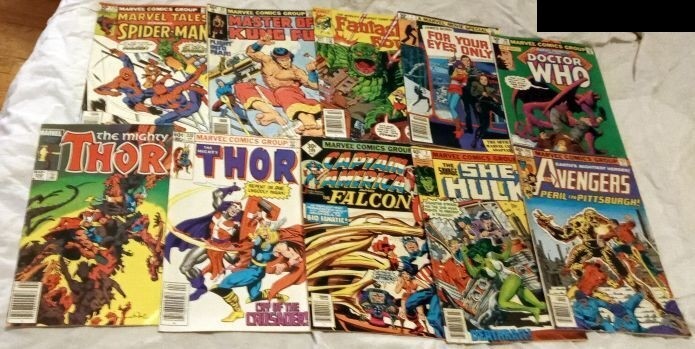
On eBay right now
Current asking prices from live listings — not sold-comp medians.



eBay links are affiliate links: JunkPal may earn a commission at no cost to you.