What does “rarity level” mean?
What it means
Rarity level denotes the perceived scarcity of a comic book. It is not a standardized grading metric like CGC or CBCS; rather, it is a subjective assessment of how few copies survive in collectible condition relative to the initial print run and current market demand. The mainstream equivalent is supply-demand imbalance. High rarity implies a low supply of high-grade examples. This designation is driven by factors such as low print runs, key story moments (e.g., first appearance), or intentional scarcity (e.g., variant covers, limited editions).
What it does to price
Rarity acts as a direct, non-linear multiplier on base value. A comic designated as rare can command a price premium ranging from 3x to 10x the value of a common, ungraded copy, depending on the severity of the scarcity and the grade achieved. A low-rarity, high-grade copy might trade for 1.2x its loose equivalent. Conversely, a highly rare book in poor condition may sell for less than a common book in excellent condition if the damage severely impacts collectibility. For example, a rare variant cover in VF/NM condition might fetch $500, whereas the same book in good condition might only sell for $150.
How to spot it
Rarity is identified by specific print details. Look for edition numbers, variant cover designations (e.g., "Action Comics #1 - Gold/Silver"), or publisher notes indicating limited distribution. Sellers must provide high-resolution photos of the interior pages and the spine to verify print consistency. Common mistakes include misidentifying a common reprint as a first appearance. Fakes often involve altered cover stock or incorrect interior page numbering. Always cross-reference the stated rarity against established sales databases for comparable issues.
Buying smart
Paying a premium for rarity is justifiable when the comic is a confirmed key issue (first appearance, major storyline pivot) and the stated rarity is verifiable through multiple, recent sales records. If the premium is based solely on anecdotal hype without supporting market data, the risk is too high. A fair deal involves the asking price being within 20% of the average recent sale price for that specific rarity/grade combination. Avoid overpaying for rarity if the condition is below the standard required to support the high valuation.
Selling smart
Proving rarity in a listing shifts the valuation from speculative to factual. Listing the comic with verifiable details—such as "Confirmed 1st Print Run Variant"—allows the seller to anchor the price at the top end of the market spectrum. The single most valuable element in a listing is a clear, high-resolution photograph of the specific identifying marker (e.g., a unique printer's stamp or edition number) that substantiates the rarity claim. This documentation justifies the premium price to knowledgeable buyers.
On eBay right now
Current asking prices from live listings — not sold-comp medians.

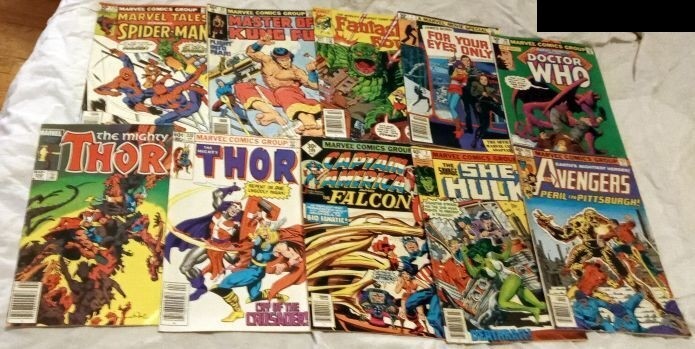


eBay links are affiliate links: JunkPal may earn a commission at no cost to you.