What does “publisher line” mean?
What it means
A publisher line is a defined grouping of comic titles released under a single publishing imprint or brand umbrella. This is the industry equivalent of a specific franchise or product line. For instance, the "Spider-Man line" encompasses every title featuring Spider-Man published by Marvel during a given era. The line establishes the narrative context, character continuity, and the overall market perception of the book. It is not merely the publisher (e.g., Marvel); it is the specific, recognized sub-brand or thematic grouping (e.g., "Amazing Spider-Man" vs. a one-shot promo).
What it does to price
The line acts as a baseline valuation anchor. A title belonging to a major, high-demand line (e.g., early *X-Men*) establishes a higher floor price than a title from a minor or experimental line, even if the individual issue quality is similar. A first appearance within a recognized, popular line can multiply value by 5x to 10x compared to a later, non-key issue within the same line. Conversely, if a line is defunct or niche, the ceiling price is lower. For example, a key issue from a major line might start at $50, while an equivalent issue from a minor line might sell for $15 loose.
How to spot it
Identification relies on the title block, cover art consistency, and internal continuity markers. Check the masthead and the issue numbering sequence. If the line is era-specific (e.g., "Bronze Age DC"), confirm the publication date range aligns with that period's established editorial style. Sellers must provide clear photos of the spine and interior pages to confirm the specific run. A common mistake is confusing a character's first appearance in a minor title versus their first appearance in the flagship title of a major line; the latter commands the premium.
Buying smart
Paying a premium for a line is justified when the specific issue is a recognized "key" issue—a first appearance, major crossover, or significant character debut within that line. If the line itself is not culturally significant (e.g., a niche sci-fi imprint with low readership), the premium for the line is negligible unless the issue is objectively rare. A fair deal requires the premium paid for the "line status" to be proportional to the established market demand for that specific franchise. If the line is obscure, the price should reflect the scarcity of the issue, not the perceived importance of the publishing brand.
Selling smart
Listing must explicitly name the line and the specific status of the issue within that line. Instead of listing "Issue #1," list "Amazing Spider-Man #1 (First Appearance of X)." This immediately qualifies the item for buyers targeting that specific franchise. The single most effective element in a listing is a clear, high-resolution photo of the title page showing the official line branding. This documentation moves the item from a generic comic to a specific collectible asset, allowing the seller to command the established line premium.
On eBay right now
Current asking prices from live listings — not sold-comp medians.

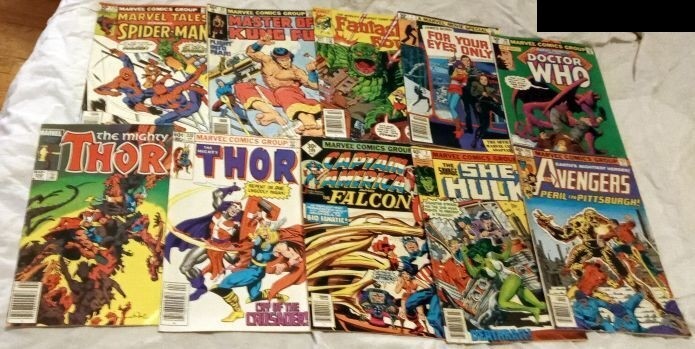


eBay links are affiliate links: JunkPal may earn a commission at no cost to you.