What does “publisher imprint” mean?
What it means
A publisher imprint is a designated brand or sub-line under a major comic publisher. It functions as a stylistic or demographic marker, separating content within the same parent company. For example, DC Comics has imprint lines like Vertigo or Young Justice. This is analogous to a specialized brand within a larger corporation, like a specific luxury line from a major fashion house. The imprint signals the intended tone, genre, or creative scope of the material—whether it is mainstream action, creator-driven alternative, or high-end literary graphic novel.
What it does to price
A desirable, established imprint can provide a concrete value uplift. A key issue from a highly sought-after imprint (e.g., a specific early Image imprint title) can command a premium of 2x to 5x over a similar title from the publisher’s general line, assuming condition parity. Conversely, an obscure, short-lived imprint may offer negligible value unless the specific title is iconic. If a mainstream title is reprinted under a niche imprint, the reprint may sell for 30-50% less than the original run unless the imprint itself is highly collectible.
How to spot it
Imprints are identified via the title block, logo placement, or specific series identifiers on the cover and interior pages. Major imprints often have unique color palettes or specific font treatments. Sellers must provide high-resolution scans of the cover and the interior title page. Watch for misprints where a title is listed under the wrong imprint banner; these are often cataloged as errors and can be valuable, but accidental mislabeling is common.
Buying smart
Paying a premium for an imprint is justified when the imprint is historically significant or known for consistently high-quality, sought-after creators. If the imprint is a niche, experimental line, the premium is only worth it if the specific issue is a known milestone or debut. A fair deal involves comparing the specific imprint's historical sales data against the general line's pricing for similar issues. If the premium is based solely on the imprint name without supporting evidence of scarcity, the price is likely inflated.
Selling smart
Listing must explicitly name the imprint in the title and description. This immediately filters buyers and establishes the context for the price. The single most effective detail is providing a clear, close-up photo of the imprint logo or designation on the cover. Stating the imprint's known status—e.g., "Vertigo flagship title"—validates the asking price and attracts specialized collectors willing to pay the associated premium.
On eBay right now
Current asking prices from live listings — not sold-comp medians.

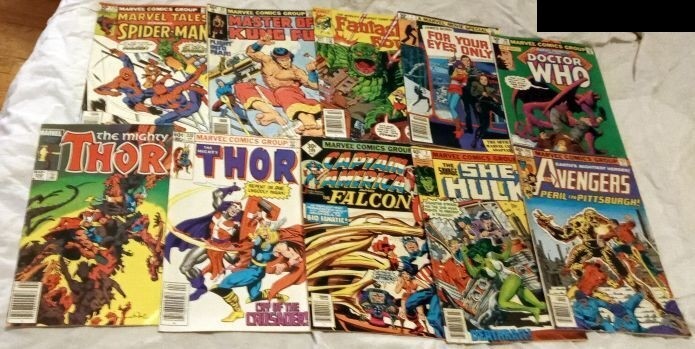


eBay links are affiliate links: JunkPal may earn a commission at no cost to you.