What does “provenance” mean?
What it means
Provenance is the documented history of a comic book. It traces the item's ownership from its initial production or acquisition to the current point of sale. In the collecting niche, this is the verifiable chain of custody. It is the documented paper trail proving where the comic has been and who has owned it. This is not merely a description; it is verifiable history. A clear provenance confirms the item's legitimacy and background, which is the mainstream equivalent of establishing a clear title on an asset.
What it does to price
Provenance acts as a verifiable risk mitigator, directly impacting perceived value. For high-grade or historically significant pieces, a documented, unbroken chain of custody can introduce a multiplier of 1.2x to 2.5x over a comparable item with unknown history. A clear provenance removes the risk of fraud or misrepresentation, which is a premium buyers are willing to pay. For example, a high-grade Silver Age key issue with documented ownership from a known collector's estate might command an extra $500 to $2,000 over an identical book with no paper trail, depending on the comic's base value. Conversely, a history riddled with gaps or suspicious transfers will suppress the price.
How to spot it
Spotting provenance requires diligence. Look for documentation such as dated bills of sale, auction records, or collection inventory logs. Sellers should provide high-resolution photographs of any accompanying documentation, not just the comic itself. Common red flags include vague descriptions like "from a friend" or "old collection" without any supporting paper. An honest mistake might be a missing box or a gap in a known collection sequence. Fakes often lack any consistent paper trail, relying solely on the physical condition of the book.
Buying smart
Paying a premium for provenance is warranted when the comic is a high-value key issue (e.g., a first appearance or major milestone) or when the item is being sold by a known, reputable entity (like a major estate sale or established dealer). If the comic is a common title or low-grade copy, the cost of verifying provenance usually outweighs the potential price increase. A fair deal involves the seller providing *some* verifiable documentation that aligns with the comic's known history, even if it is not a perfect, unbroken chain.
Selling smart
To maximize sale price, provenance must be presented clearly in the listing. The single most effective element is a photograph of the supporting documentation (e.g., a receipt or invoice) placed next to the comic, or a concise, bulleted statement in the description detailing the chain of custody. Stating, "Provenance verified via 1985 auction record," is far stronger than simply stating, "Old book." This verifiable history allows the seller to command the top tier of the market price, as the buyer is paying for certainty as much as they are paying for the comic itself.
On eBay right now
Current asking prices from live listings — not sold-comp medians.


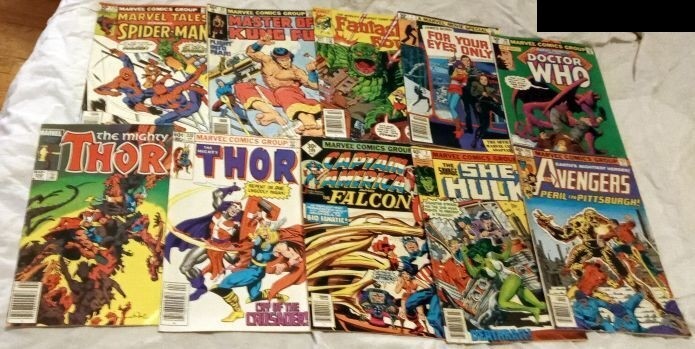


eBay links are affiliate links: JunkPal may earn a commission at no cost to you.