What does “promo copy” mean?
What it means
Promo copy refers to materials distributed by comic publishers for marketing purposes. This includes retailer exclusives, convention giveaways, and limited-run inserts. It is distinct from standard variant covers because it often has a specific, traceable distribution path outside the normal retail channel. The mainstream equivalent is "exclusive merchandise." These items are not simply different printings; they are artifacts of the publisher's marketing strategy. A key characteristic is that they are intentionally scarce, meaning the supply was capped for promotional impact rather than standard sales volume.
What it does to price
The presence of verified promo copy acts as a scarcity multiplier. A standard key issue might fetch $50; the same issue with a verified, high-grade promo insert attached can easily see that value jump to $75–$125, depending on the insert's rarity. The multiplier is highly dependent on the perceived effort required to acquire the item. Minor, widespread retailer promos might only add 10–25% to the base price. Conversely, ultra-rare, one-off convention exclusives can see a 3x to 5x increase over the base comic value. A common downward pressure is when the promo item is damaged or lacks clear proof of origin, immediately reducing its premium to near zero.
How to spot it
Identification relies on specific production details. Look for unique barcodes, specific "Promo Code" stamps, or distinct paper stock that differs from standard print runs. Many convention promos have unique event logos or limited edition numbering. Sellers must provide high-resolution photos of the item’s edges and back matter. Common fakes involve digitally altering standard variant covers to appear exclusive. An honest mistake often occurs when a standard promotional flyer is mistakenly bundled with a comic, which does not carry the same collectible weight as a true, integrated insert.
Buying smart
Paying a premium for promo copy is justified when the item is a verifiable, high-grade insert or cover that directly relates to a significant, high-value issue. If the promo is a simple, low-quality sticker or a generic flyer, the premium is not worth the risk. A fair deal means the price increase over the standard copy reflects the *proven* scarcity and condition of the promo, not just the claim of its existence. If the seller cannot provide clear documentation of its distribution channel, the premium should be heavily discounted, treating it as a standard, non-exclusive variant.
Selling smart
Listing promo copy requires explicit disclosure of its origin. Buyers pay a premium for verifiable history. The single most effective element in a listing is a clear photograph showing the specific publisher marking or unique numbering on the promo item itself. Using the term "Verified Publisher Exclusive" in the title, supported by evidence, shifts the perceived value from "a comic with an extra piece of paper" to "a documented piece of comic history." This verification allows the seller to command the higher, scarcity-based price tier.
On eBay right now
Current asking prices from live listings — not sold-comp medians.

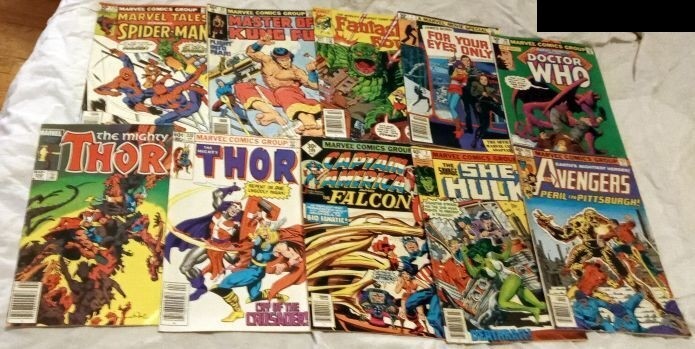


eBay links are affiliate links: JunkPal may earn a commission at no cost to you.