What does “pressing comics” mean?
What it means
Pressing comics refers to the process of housing a comic book within specialized, archival-quality materials designed to maintain its physical condition. This involves using acid-free bags and boards. The goal is structural stabilization—preventing warping, creasing, and chemical degradation from environmental factors like humidity or acidic paper. This is not merely storage; it is a preservation technique. In the mainstream context, this is equivalent to using professional archival sleeves and backing boards. The term specifically denotes the *method* of preservation, not the condition grade itself, though good pressing supports a higher grade.
What it does to price
Proper pressing supports a higher grade potential, which directly impacts value. A comic graded 9.0 or higher is significantly more valuable than the same comic graded 7.0, regardless of whether it was pressed or not, but pressing is a prerequisite for maintaining that high grade. A high-quality, professionally pressed copy of a mid-tier book (e.g., a $50 book) might fetch 1.2x to 1.8x the price of an equivalent loose copy that shows signs of storage damage (like minor yellowing or slight bowing). If a comic is pressed but the *actual* grade is poor (e.g., a 3.0), the pressing adds minimal value, perhaps only 5-10% premium over a similarly stored poor copy.
How to spot it
The tell is the material itself. Genuine pressing uses buffered, acid-free polyethylene bags and corrugated cardboard boards specifically rated for comic preservation. Look for evidence of professional sealing or high-quality, rigid backing. A common mistake is using cheap, non-buffered plastic sleeves or standard office cardboard. Fakes or poor substitutes often use materials that feel brittle or react poorly to light. When purchasing online, request high-resolution photos showing the edges and corners of the bag/board assembly, not just the front cover.
Buying smart
Paying a premium for pressing is worthwhile when the comic is a high-value investment piece (e.g., key first appearances, high-grade Silver Age books) where preservation is paramount to future resale value. If the comic is low-value or a recent, non-key issue, the cost of the premium pressing service often outweighs the potential gain. A fair deal involves the pressing cost being reasonable relative to the comic's market value; for a $100 book, a $15 pressing fee is acceptable; for a $5 book, it is excessive.
Selling smart
Proving the comic is professionally pressed significantly de-risks the purchase for the buyer. This justifies a premium in the listing price. The single most effective element is a clear, high-resolution photograph showing the comic *inside* the protective bag and board, clearly displaying the material quality. Listing the item as "Archival Pressed" or "Professionally Buffered" signals to serious buyers that the seller has taken preservation seriously, often allowing for a 10-20% premium over an un-pressed equivalent, provided the grade is solid.
On eBay right now
Current asking prices from live listings — not sold-comp medians.

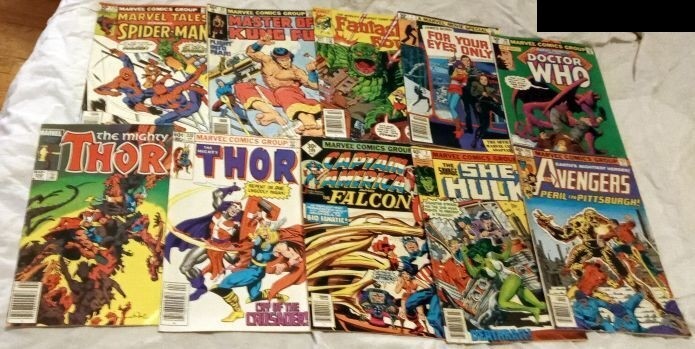


eBay links are affiliate links: JunkPal may earn a commission at no cost to you.