What does “premium variant” mean?
What it means
A premium variant is a deliberate, limited-run deviation from the standard retail printing of a comic book issue. This is not merely a different color palette; it signifies a specific production run designed for higher-tier collectors. The deviation usually manifests as unique cover artwork, foil embossing, specific foil/holographic treatments, exclusive interior inserts, or specialized packaging (e.g., graded slabs or specific box sets). In mainstream terms, this is equivalent to a special edition or limited release, but within the comic market, the term "variant" emphasizes the specific printing variation of an established title. Its scarcity is manufactured or naturally limited, differentiating it from standard distribution copies.
What it does to price
The designation of "premium variant" introduces a scarcity premium. Depending on the variant's rarity (e.g., a 1/100 run versus a 1/1000 run), the price multiplier can range from 1.2x to 5x the standard edition's value, especially when graded. For a common, standard $2.00 comic, a high-demand, low-print-run premium variant might fetch $10–$30 loose, whereas the standard copy might only sell for $1.00–$3.00. Factors pushing the price up include low print runs and high demand for the specific variant art. Factors pulling it down include poor condition or if the variant is later discovered to be a larger print run than advertised.
How to spot it
Identifying a premium variant requires close inspection of production details. Check the cover for specific edition markings, often printed in a different font or location than standard print runs. Foil stamping quality must be verified—it should be crisp, not blurry or peeling. For interior variants, check the page numbering or the presence of unique insert cards. Sellers must provide high-resolution photos of the cover and any unique elements. Common mistakes include mislabeling a standard color variant as a "premium" variant, or conversely, failing to mention a subtle, low-tier variant that still commands a slight premium.
Buying smart
Paying a premium is justifiable when the variant is tied to a highly desirable, short-window event (e.g., a convention exclusive or a specific milestone anniversary). If the variant is a minor aesthetic change without confirmed scarcity, the premium is likely inflated. A fair deal requires the stated rarity to align with established market data from major grading service sales records. If a seller claims a variant is extremely rare but provides no verifiable proof of print run size, the risk of overpaying is high.
Selling smart
Listing a premium variant requires explicit declaration. The title must include the specific variant designation (e.g., "Variant Cover," "Foil Edition," "Limited Print Run"). The single most effective element in a listing is a clear, well-lit photo showcasing the unique feature—the foil, the specific art, or the edition stamp. This visual proof immediately justifies the higher asking price and filters out casual buyers who are only interested in standard copies.
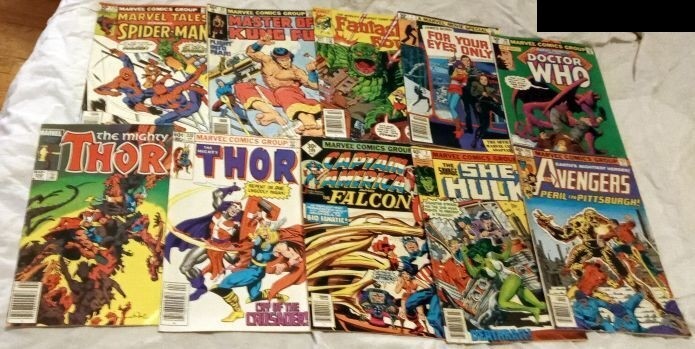
On eBay right now
Current asking prices from live listings — not sold-comp medians.



eBay links are affiliate links: JunkPal may earn a commission at no cost to you.