What does “poor grade” mean?
What it means
Poor grade describes a comic book exhibiting substantial physical deterioration. This is the lowest tier of condition, significantly below Near Mint or Fine. The condition is characterized by major structural and aesthetic flaws. Visible damage includes heavy creasing across the cover, actual tears or rips, widespread staining or foxing, severe spine stress (often referred to as "spine roll" or "hinge breaks"), and noticeable fading or discoloration of the original cover art. This is not simply minor shelf wear; it represents damage that compromises the book's integrity.
What it does to price
Poor grades impose severe downward pressure on market value. The relationship between condition and price is steep; the difference between a Poor and a Fine copy can easily be 70% or more of the final sale price. A book in Poor condition will typically sell for 10% to 30% of the value of a comparable copy graded Fine or better. Factors that slightly mitigate the drop include the book being a highly desirable, rare title (where demand overrides condition concerns) or if the damage is localized and easily repairable (though professional repair is usually discouraged). For example, a common title in Poor condition might sell for $5, whereas the same book in Fine condition could fetch $25.
How to spot it
Identification relies on close visual inspection. Look for hinge integrity—if the spine is visibly cracked or separating, it is poor. Examine the corners; dog-eared or bent corners are common indicators. Staining often appears as yellowing or brown spots, especially around the edges. When sourcing, sellers must provide high-resolution photos of the spine and both cover surfaces. A common honest mistake is confusing heavy handling wear (creasing) with actual structural damage (tears). Fakes in this category are rare, but sellers sometimes exaggerate minor wear as "poor" to justify a higher price point.
Buying smart
Buying in poor condition is generally reserved for specific scenarios. First, when the book is extremely rare and there are no other options available, and the buyer is willing to restore it or use it for reference. Second, when the purchase price is extremely low, allowing for a high potential return on investment through professional restoration or grading. For the average collector seeking investment quality, poor condition is a dealbreaker. A fair deal in this category means the asking price reflects the severe damage; if the price suggests a Fine or Very Fine copy, it is overvalued.
Selling smart
Transparency is the primary driver of successful sales in poor condition. Listing descriptions must detail *every* flaw—specify the location and severity of tears, creases, and staining. Do not use vague terms like "worn." The single most effective tool is a clear, high-resolution photo focusing specifically on the worst damage (e.g., a close-up of a spine tear). This honesty preempts buyer disputes, builds trust, and allows the buyer to price the item accurately, leading to faster, more reliable transactions.
On eBay right now
Current asking prices from live listings — not sold-comp medians.

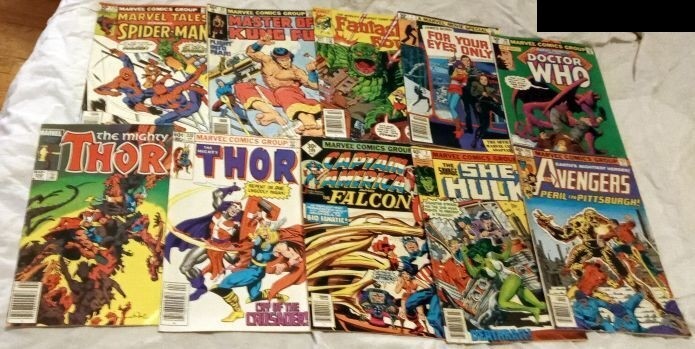


eBay links are affiliate links: JunkPal may earn a commission at no cost to you.