What does “period specific” mean?
What it means
"Period specific" denotes a comic or collectible whose value is intrinsically linked to the specific time it was created. This goes beyond mere issue numbering. It refers to the distinct cultural, artistic, or editorial context of its release. For instance, the Bronze Age is a period, not just a sequence of issues. This niche jargon translates to "era-defined" in mainstream collecting. The specificity matters because certain periods mark industry shifts: major character redesigns, definitive story arcs, or changes in printing technology. A period-specific item is a verifiable artifact of a specific moment in comic history.
What it does to price
Period specificity acts as a significant value multiplier, often ranging from 1.5x to 4x the price of a generic equivalent, depending on the significance of the era. A copy from a pivotal, short-lived creative run within a specific period can command a premium of 3x or more over a standard issue from the same title but outside that run. Conversely, if the perceived period is inaccurate, the value plummets. For example, a seemingly early 1970s Silver Age reprint mistakenly labeled as an original 1960s issue might sell for $50, but if verified as a later reprint, it might only fetch $15.
How to spot it
Identification requires looking past the cover date. Check the interior copyright pages for specific printing runs or imprint dates. Examine the paper stock; different printing technologies used across decades leave distinct tactile and visual clues. For high-value items, sellers must provide high-resolution scans of the masthead and any internal production codes. Common mistakes involve confusing reprint runs with original printings, or misidentifying a short-lived variant cover as part of the main run. Always cross-reference the issue's known publication window against the item's physical evidence.
Buying smart
Paying a premium for period specificity is justified when the era represents a documented, high-impact moment—a creator debut, a major continuity shift, or a recognized artistic peak. If the "period" is merely a vague aesthetic preference without documented historical weight, the premium is likely inflated. A fair deal requires the seller to provide verifiable proof linking the item to the claimed period. If the proof is weak (e.g., only relying on cover art), the price should reflect a lower, more conservative estimate.
Selling smart
Proving the period specificity is the primary driver of premium pricing. The listing must explicitly state *why* the period matters—e.g., "First appearance of X character during the seminal 1980s run." The single most valuable piece of evidence to include is a clear, close-up photo of the interior copyright page or a production stamp that anchors the item to the claimed era. This documentation transforms the item from a standard collectible into a documented historical piece, justifying the top-tier valuation.
On eBay right now
Current asking prices from live listings — not sold-comp medians.

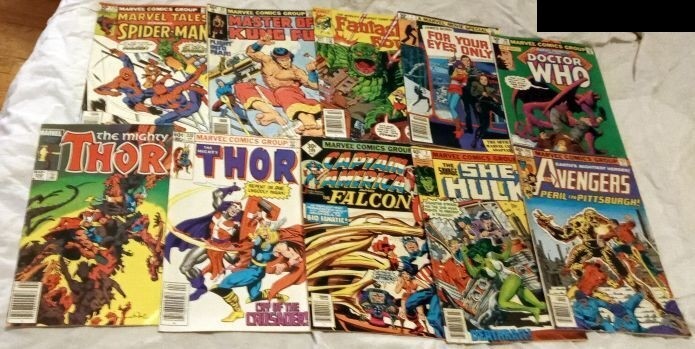


eBay links are affiliate links: JunkPal may earn a commission at no cost to you.