What does “paneling” mean?
What it means
Paneling refers to the graphic design structure of a comic page—the arrangement, size, and shape of the individual illustrated frames. It is the visual architecture of the storytelling. This is not merely about the art; it is the pacing mechanism. Tight, small, dense panels accelerate perceived action; wide, sparse panels slow time or establish mood. The mainstream equivalent is "layout design." For valuation, paneling quality relates to the artist's skill in directing the reader’s eye and establishing narrative rhythm. Poorly executed or haphazard paneling detracts from the artistic merit, regardless of the story content.
What it does to price
Paneling quality acts as a secondary aesthetic modifier, rarely driving massive price swings on common books, but significant on key issues. Exceptional, dynamic paneling in a high-demand title can push a book into the upper tier of its grade range. For a key book where the art is the main driver, a superior layout can add 10-20% to the premium over a technically sound but uninspired layout. Conversely, severe panel distortion due to warping or creasing (which breaks the intended structure) can drop value by 15-30% instantly, as the structural integrity is compromised.
How to spot it
Spotting paneling quality requires close inspection of high-resolution scans. Look for consistency in the artist's approach across the page. Are the gutters (the space between panels) used effectively to control flow? Are the panel borders clean, or are they ragged? A common mistake is poor cropping during scanning, which can truncate a panel in an unflattering way. For a seller, request a full-page, high-DPI photo. Fakes or poor reproductions often fail to capture the subtle line weight variation that defines the intended panel separation.
Buying smart
Paying a premium for paneling is only warranted when the book is a centerpiece—a highly sought-after variant or a definitive artistic showcase. If the issue is a common reprint or a low-tier character appearance, the premium for superior paneling is negligible compared to the cost. A fair deal involves paying a modest premium (under 10%) for demonstrably superior layout in a high-grade copy. If the layout is average, the price should reflect average execution.
Selling smart
Proving strong paneling is best done by providing a close-up, cropped photo focusing specifically on the transition between two key panels. This visual evidence demonstrates the artistic intent and execution. Instead of just listing "Great Art," use descriptive language like "Dynamic, cinematic panel layout" or "Masterful pacing achieved through varied panel sizing." This specific terminology signals to knowledgeable buyers that the book possesses a high level of artistic craftsmanship beyond just the character art, justifying a higher asking price.
On eBay right now
Current asking prices from live listings — not sold-comp medians.

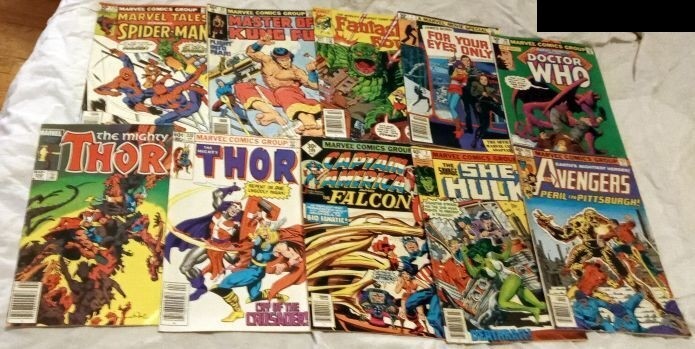


eBay links are affiliate links: JunkPal may earn a commission at no cost to you.