What does “panel alignment” mean?
What it means
Panel alignment refers to the geometric precision of the artwork layout on a comic page. It is the uniformity of the gutters—the white space separating individual story panels. In high-grade collecting, perfect alignment means all gutters are straight, parallel, and consistent in width across the entire page. This is not a subjective aesthetic preference; it is a measurable printing quality standard. Misalignment, which manifests as uneven gutters, skewed panel borders, or warped page structure, indicates issues with the printing press calibration or subsequent physical stress on the book. For the mainstream collector, this translates to the overall structural integrity and print quality of the item.
What it does to price
Panel alignment is a subtle but measurable factor in determining a book’s final grade, which dictates its price. Perfect alignment contributes directly to achieving a higher numerical grade (e.g., moving from a VF to a NM). A book with flawless alignment that achieves a high grade can command a 1.2x to 2.5x premium over an identical copy with minor, visible alignment flaws at the same grade level. For example, a highly sought-after key issue graded 9.6 with perfect alignment might sell for $500, whereas the same issue graded 9.6 with noticeable gutter wobble might sell for $350. The difference is rooted in the perceived perfection of the production run.
How to spot it
Inspection requires close visual examination, ideally under strong, even lighting. The primary tell is the consistency of the white space between panels. Use a straight edge or digital overlay to check for vertical and horizontal deviation in the gutters. Look specifically at pages with dense paneling, as inconsistencies are magnified. Common issues include "gutter shift," where the vertical spacing varies across a row, or "skew," where the entire panel block is slightly tilted. These are usually honest printing errors, not counterfeits, but they are permanent flaws that affect grade.
Buying smart
Paying a significant premium solely for perfect panel alignment is only justified when the book is otherwise flawless (i.e., pristine color, no spine stress, no creases). If the book has other significant flaws—such as heavy foxing, chipping, or significant spine wear—the marginal benefit of perfect alignment does not outweigh the cost. A fair deal involves paying a premium for alignment only when it is the *differentiating* factor between a high-grade book and a near-perfect one. If the difference in price is less than 15% of the total asking price, the premium is generally warranted.
Selling smart
When listing, documenting perfect alignment elevates the perceived quality beyond the grade number alone. The single most effective way to prove this is by providing a high-resolution, close-up photograph focused specifically on a densely packed panel area, clearly showing the straightness of the gutters. Labeling this photo with "Perfect Gutter Alignment" or "Factory Print Quality" acts as a tangible proof point. This documentation allows the seller to confidently ask for the top end of the market range for its grade, as the buyer receives visual confirmation of a premium production quality feature.
On eBay right now
Current asking prices from live listings — not sold-comp medians.

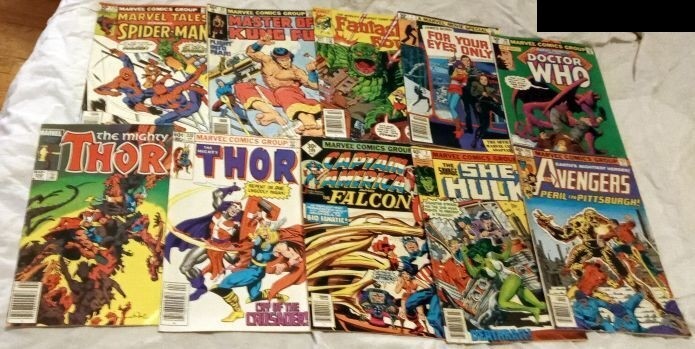


eBay links are affiliate links: JunkPal may earn a commission at no cost to you.