What does “low-grade condition” mean?
What it means
Low-grade condition describes comics exhibiting significant, visible wear that prevents them from achieving higher numerical grades (e.g., VF/NM). This is not merely "used"; it implies structural damage or heavy surface degradation. Flaws include spine rolls, significant creasing, chipping at corners, heavy tanning, or ink bleed. In the mainstream grading world, this often correlates to grades like Good (G) or Very Good (VG). The term covers a spectrum—a lightly creased copy is different from one with a detached cover piece. The key distinction is that the damage is obvious and impacts the book's aesthetic integrity.
What it does to price
Condition dictates value exponentially. A low-grade copy will sell for a fraction of a high-grade counterpart. For a common, non-key issue, the difference can be 90% or more. For a rare book, the multiplier is less extreme but still significant; a low-grade copy might fetch 10-30% of a high-grade copy's value. Conversely, if the low-grade copy is an ultra-rare key issue (e.g., an early Silver Age first appearance), the rarity factor can override the condition penalty, making the low-grade version still highly valuable, though less so than a CGC 9.6. A $100 pristine copy might sell for $30-$50 in low-grade condition.
How to spot it
Inspect the spine first. Spine stress or breaks are major downgrades. Corners should be sharp; dings or rounding are common low-grade indicators. Look for "creases"—sharp, deep folds, not just minor handling lines. Discoloration (tanning) is a function of age and storage, but heavy, uneven staining is a defect. When purchasing, request high-resolution photos of the spine, all four corners, and the centerfold. Be wary of sellers labeling a heavily creased book as "Lightly Worn" if the creases penetrate the cover material.
Buying smart
Paying a premium for low-grade is only justifiable when the comic is exceptionally rare, or if the specific flaw does not significantly impact the book's primary appeal (e.g., a minor corner ding on a book whose primary value is its interior art). If the book is common or mid-tier, the price difference between low-grade and near-mint is too vast to justify the risk. A fair deal involves the asking price being significantly discounted relative to the highest available grade, reflecting the visible damage accurately. If the seller claims it is "Very Good" but it looks "Fair," the deal is poor.
Selling smart
Transparency is the only defense against disputes. Never use vague terms like "shows some wear." Instead, specify the flaw: "Spine roll present," or "Bottom-right corner chipped." If the comic is raw (ungraded), providing clear, well-lit photos that highlight the specific flaws—not just the front cover—allows the buyer to self-assess the grade. This prevents buyers from claiming the item is worse than advertised. A single, honest photo showing a major flaw earns the buyer's trust, which supports the final negotiated price.
On eBay right now
Current asking prices from live listings — not sold-comp medians.


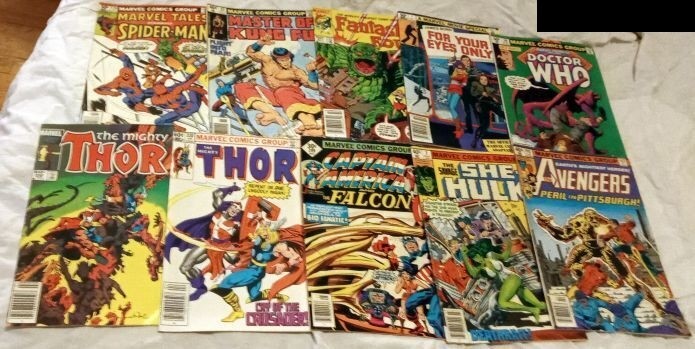


eBay links are affiliate links: JunkPal may earn a commission at no cost to you.