What does “key variant hunter” mean?
What it means
A key variant hunter is a focused buyer or seller targeting specific, non-standard printings of established comic book titles. This is not general collecting; it is the pursuit of scarcity. Variants are defined by deviations from the standard release—this includes color shifts (e.g., different ink runs), specific promotional inserts, limited print runs, or unique cover treatments. The mainstream equivalent is specialized collecting, but the focus here is strictly on the *deviation* that creates artificial scarcity. The goal is to acquire the version that the market recognizes as rare, not just the most aesthetically pleasing copy.
What it does to price
The presence of a confirmed key variant can create significant price separation. A standard, common issue might trade for $5 to $15 depending on condition. A known, desirable variant of the same issue can multiply that value by 3x to 10x or more. For example, a standard copy of a mid-tier book might sell for $10. If that copy is identified as the "Blue Ink Variant," it could easily command $40 to $75, depending on the variant's historical significance and current market demand. Price increases are directly proportional to the documented scarcity and the established demand from specialized collectors.
How to spot it
Identification requires specific knowledge of the publisher's production history. Look for specific identifiers: different color palettes (e.g., a specific shade of red used only in the variant run), unique UPC codes, or publisher stamps on the interior pages. Sellers must provide high-resolution photos of the spine, the cover art, and any interior pages showing printing details. Common mistakes involve confusing a simple reprint with a true variant, or misidentifying a promotional insert as an official variant. Always cross-reference the issue number against known variant catalogs before committing to a purchase.
Buying smart
Paying a premium for a key variant is justifiable only when the variant is historically significant or has demonstrable, ongoing collector demand. If the variant is obscure, poorly documented, or only marginally different from the standard release, the premium is likely inflated speculation. A fair deal involves verifying the variant status through reputable third-party grading services or established collector forums. If the seller cannot provide clear, verifiable evidence of the variant status, the price should be discounted to reflect the risk of buying a standard copy.
Selling smart
Listing a key variant requires immediate and unambiguous declaration of its status. The listing title must explicitly state the variant type (e.g., "Action Comics #1 - Red Ink Variant"). The single most valuable asset in a listing is a clear, high-resolution photograph that captures the specific distinguishing feature—be it the unique color shift or the specific print marker. Using jargon correctly signals expertise, allowing the seller to command the maximum premium from buyers who are specifically hunting that scarcity.
On eBay right now
Current asking prices from live listings — not sold-comp medians.

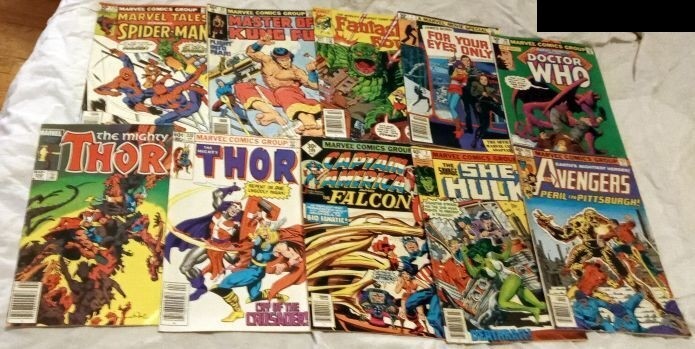


eBay links are affiliate links: JunkPal may earn a commission at no cost to you.