What does “key seller” mean?
What it means
A key seller is a comic book or related collectible with extreme, verifiable market demand. This term describes items that are not merely rare, but possess significant cultural weight or inherent scarcity within the collecting community. The mainstream equivalent is a "high-grade, blue-chip investment piece." These items are foundational to a specific run or character's history. Their value is derived from a combination of scarcity (low print runs, survival rate) and desirability (historical significance, character importance).
What it does to price
The presence of a key seller acts as a major value multiplier. A common, ungraded copy might sell for $50; a high-grade, authenticated key seller copy can easily command $5,000 or more. The multiplier is highly variable, ranging from 5x to 50x the value of a standard copy of the same book. Factors pushing the price up include achieving a high numerical grade (e.g., 9.6+). Factors pushing it down include poor provenance or any evidence of restoration. For example, a key seller in VF/NM condition might fetch $1,200, while the same book in VG condition might only sell for $350.
How to spot it
Identification requires specific knowledge of print runs, cover art variations, and specific issue numbers. Key tells include first appearance markers, specific cover printing errors, or limited edition numbering. Sellers must provide high-resolution images of the spine, interior pages, and any identifying print codes. Common mistakes involve mistaking a reprint for a first printing, or confusing a variant cover with the true key issue. Always verify the copyright date against known publication schedules.
Buying smart
Paying a premium for a key seller is justified only when the item is confirmed to be in the highest achievable grade (typically 9.0 and above) and the market trend for that specific title is upward, not plateauing. If the item is in a lower grade (e.g., 6.0-7.5), the risk-to-reward ratio often favors waiting for a better deal or choosing a less critical piece. A fair deal involves the asking price being within 15-25% of established auction results for comparable graded copies.
Selling smart
To maximize return, the listing must immediately establish the item's status. The single most effective element is a clear, official third-party grading slab photo. Beyond this, using the term "Key Seller" in the title, backed by specific historical context (e.g., "First Appearance of X"), signals immediate value to knowledgeable buyers. Providing a detailed provenance statement—if applicable—further solidifies the premium pricing structure.
On eBay right now
Current asking prices from live listings — not sold-comp medians.

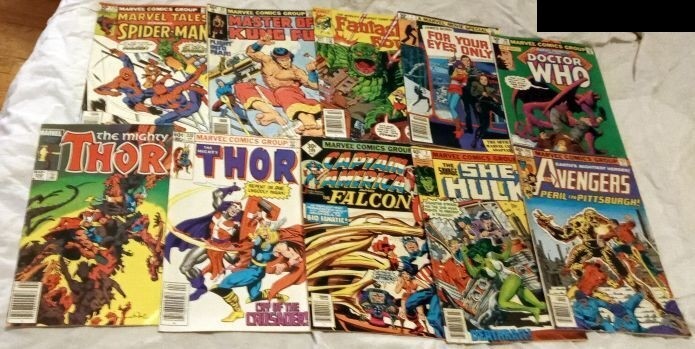


eBay links are affiliate links: JunkPal may earn a commission at no cost to you.