What does “key graphic variant” mean?
What it means
A key graphic variant is a specific, intentionally different printing or artistic iteration of a comic book issue. It is not a simple error or misprint. These variations are deliberate production choices, meaning the publisher created them to be distinct from the standard release. The difference is usually visible on the cover or interior pages—this can manifest as alternate cover art, specific color shifts, unique foil treatments, or specialized paper stock. For the reseller, the mainstream equivalent is a "special edition" or "limited run," but the term "key graphic variant" specifically denotes a *visual* deviation that affects collectibility.
What it does to price
The presence of a confirmed key graphic variant almost always adds a premium. Depending on the rarity and demand, this premium can range from 1.2x to 4x the price of the standard edition. A minor, easily identifiable variant might see a 1.2x bump. A highly sought-after, limited-run variant tied to a major event can command a 3x to 4x multiplier. Conversely, if a purported variant is actually a common promotional item or a simple production error not designated as a variant, the price may drop or remain flat. For example, a standard $10 comic might sell for $15 loose if it is a confirmed, low-print-run key graphic variant.
How to spot it
Identification requires precise comparison against known release data. Check the publisher’s official variant guide or reliable grading service databases. Look for specific edition markers printed on the interior pages, which often denote the variant run. If the variant is cover-based, examine the printing quality closely—foil stamping should be crisp, not faded or peeling. Sellers must provide high-resolution, uncropped photos of the cover and any interior pages that might bear a variant designation. Common mistakes include mistaking a retailer-specific promotional copy for an official, numbered key graphic variant.
Buying smart
Paying a premium for a key graphic variant is justified when the variant is officially designated as limited, has proven scarcity within the community, and the condition is high (e.g., Near Mint or better). If the variant is common, widely available, or the premium is excessively high relative to known sales data, it is not a worthwhile investment. A fair deal involves the asking price being within 20% of established market averages for that specific variant designation.
Selling smart
Proving the variant status is the primary driver of premium pricing. Listing descriptions must explicitly name the variant (e.g., "Key Graphic Variant: Silver Foil Edition"). The single most effective element in a listing is a clear, high-resolution photograph that highlights the unique graphic element—be it the alternate cover art or the specific foil treatment. Using the exact, verified variant terminology immediately signals authenticity and justifies the higher asking price to informed buyers.
On eBay right now
Current asking prices from live listings — not sold-comp medians.

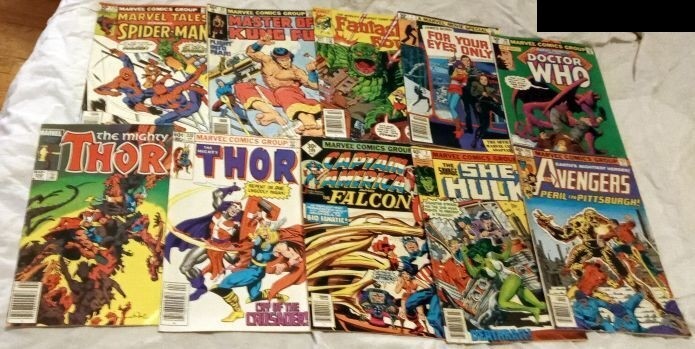


eBay links are affiliate links: JunkPal may earn a commission at no cost to you.