What does “key character” mean?
What it means
A key character is a figure whose narrative weight is disproportionately high within a specific comic series or the comic industry generally. This goes beyond mere popularity; the character must be integral to the title's core mythology, represent a major thematic element, or possess established cultural recognition (e.g., Superman, Wolverine). For collectors, the significance is tied to the *event*—the first appearance, a pivotal character arc, or a major crossover featuring that character—not just the character's existence in the book. The mainstream equivalent is a "main cast member," but in comics, the focus is on *narrative centrality*.
What it does to price
The presence of a key character acts as a significant value multiplier. A standard, non-key-character issue might trade at a baseline value. If that issue features a key character's first appearance or a critical storyline moment, the price can easily increase by 2x to 10x, depending on the character's stature. For example, a standard $1.00 book might sell for $15-$30 if it marks the debut of a character with major franchise potential. Minor appearances rarely move the needle unless the book is otherwise rare.
How to spot it
Identification requires cross-referencing the issue with established comic databases (e.g., Grand Comics Database). Look for official "First Appearance" notations for the character. If the character is established, look for specific storyline markers or cover art that signals a major narrative beat. Sellers should provide high-resolution interior scans showing the character's prominence in the panel layouts, not just the cover. A common mistake is mistaking a minor cameo for a debut; always verify the character's status in the preceding issues.
Buying smart
Paying a premium for a key character issue is justified when the character is established as a foundational figure (e.g., the origin of a major universe element) and the issue is in good condition (CGC 8.0+). If the character is only featured in a minor, non-pivotal scene, the premium is likely inflated. A fair deal involves the asking price being within 1.5x the average price for similar-condition, non-key-character issues, plus a justifiable premium for the character's significance.
Selling smart
To maximize sales, the listing must explicitly state *why* the character matters. Do not just list "Features Spider-Man." List: "Key Appearance: Spider-Man's First Appearance in this Title." The one photo that earns the premium is a clear, high-resolution scan of the panel or splash page that confirms the character's pivotal moment. Using the specific, established terminology (e.g., "Debut Issue," "Key Story Arc") in the title and description immediately signals value to knowledgeable buyers.
On eBay right now
Current asking prices from live listings — not sold-comp medians.

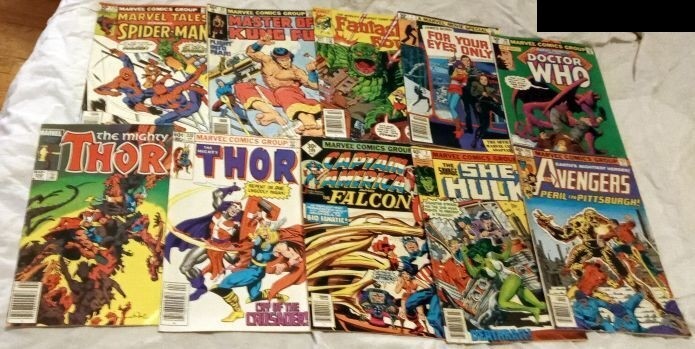


eBay links are affiliate links: JunkPal may earn a commission at no cost to you.