What does “interior bleed” mean?
What it means
Interior bleed is a printing defect where ink from one page transfers, shows through, or stains the adjacent page. This is not merely shadow; it is a physical transfer of pigment. In mainstream terms, this is bleed-through. For comic grading, it is a tangible flaw that affects the visual quality of the artifact. It results from ink saturation being too high, poor paper stock absorption, or excessive pressure during the printing run. A light, barely perceptible ghosting is minor; heavy, obvious ink saturation is a major defect.
What it does to price
Bleed significantly lowers the achievable grade, which directly translates to value depreciation. A comic that would otherwise grade VF/NM due to pristine appearance, but exhibits noticeable interior bleed, will typically grade lower (e.g., Fine or below). This reduction can equate to a 20% to 50% drop in market value compared to a clean copy of the same issue and condition otherwise. For example, a highly desirable, clean copy might command $500. A copy with moderate, visible bleed might trade closer to $350-$400. Minor, almost invisible bleed might only warrant a 5-10% reduction.
How to spot it
Inspection requires bright, direct light. The primary tell is seeing the color or blackness of the ink on Page A clearly visible through the paper of Page B. Examine the spine area and the center fold, as these areas often experience the most pressure and ink migration. Sellers must provide high-resolution, flat-lay photos of the interior pages, not just the cover. Honest mistakes are common in older, cheaply printed runs. Fakes are rare; this is a genuine manufacturing flaw, not a deliberate alteration.
Buying smart
Paying a premium for a copy with interior bleed is rarely justified unless the comic is otherwise flawless (e.g., perfect centering, sharp corners) and the bleed is extremely minimal. If the bleed is prominent—meaning it disrupts key artwork or text—the premium is never worth it. A fair deal involves pricing the copy at a discount reflective of the grade reduction caused by the bleed. If the price reflects a high-grade comic, the bleed is a deal-breaker.
Selling smart
When listing, interior bleed must be disclosed transparently. Hiding it results in returns or negative feedback. If the bleed is minor, listing it as "Very Fine with minor interior bleed" is acceptable. If it is substantial, the description must clearly state the extent (e.g., "Moderate bleed visible on pages 4-6"). Including a close-up photo specifically highlighting the bleed area allows the buyer to self-assess the defect, justifying a lower asking price and preventing disputes over condition.
On eBay right now
Current asking prices from live listings — not sold-comp medians.


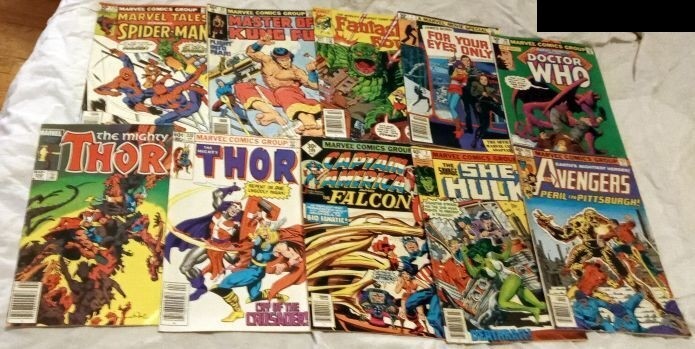


eBay links are affiliate links: JunkPal may earn a commission at no cost to you.