What does “humidity control” mean?
What it means
Humidity control in comics refers to actively maintaining a consistent, low relative humidity (RH) level in the storage environment. The goal is to keep RH below 60%, ideally closer to 40-50%. High moisture promotes biological degradation. This includes mold, mildew, and foxing—the characteristic brown spotting caused by oxidation accelerated by dampness. These are not aesthetic flaws; they are chemical and biological attacks on the paper substrate and ink. While the short definition is accurate, the niche application focuses on *prevention* via environmental management, not just *detection* of existing damage.
What it does to price
Proper humidity control is a baseline requirement for any high-grade book. A book stored in a controlled environment that maintains near-perfect condition (CGC 9.0+) commands a significant premium. A CIB (Complete Interior/Book) copy graded 9.0+ from a controlled environment typically fetches 1.8x to 3x the price of an identical copy showing minor humidity-related spotting (e.g., light foxing, 7.0-8.0). Conversely, a book showing active mold or severe foxing can see value plummet by 50% or more, often dropping below the cost of professional cleaning. For example, a high-demand Silver Age key issue might sell for $500 pristine, but $150 if it exhibits noticeable mildew bloom.
How to spot it
Spotting humidity damage involves looking for distinct visual cues. Foxing appears as small, reddish-brown, speckled spots, often concentrated along folds or spine creases. Mold manifests as fuzzy, often green, white, or black patches, usually on the board or inside the cover. Sellers must provide high-resolution photos of the entire book, paying specific attention to the edges, spine, and interior pages, particularly near the gutter. A common mistake is confusing paper discoloration from age (tanning) with actual foxing; foxing is typically localized and spotty, whereas tanning is a uniform yellowing.
Buying smart
Paying a premium for humidity control is mandatory when acquiring books graded 8.0 or higher, or any key book where condition dictates market value. If the seller cannot provide evidence of climate-controlled storage (e.g., storage logs or professional grading evidence), the premium for "pristine" condition is speculative risk. A fair deal involves a price that reflects the *proven* environmental stability. If the price difference between a "stored well" copy and a "loose" copy is less than 1.5x, the seller may be overvaluing the preservation effort.
Selling smart
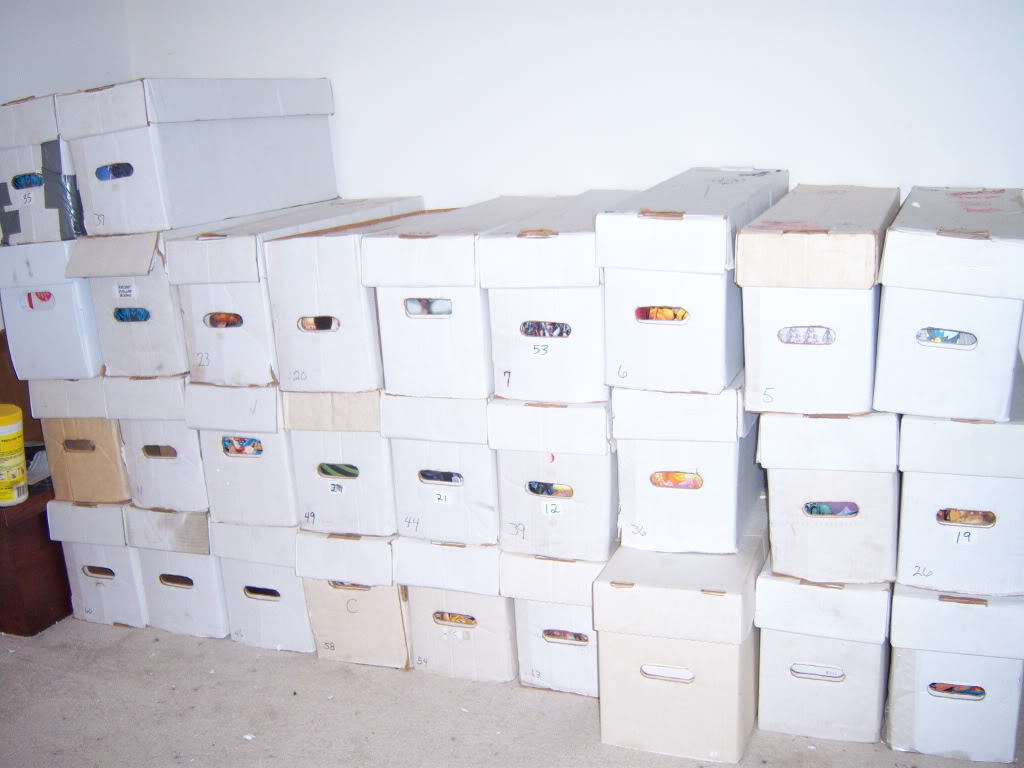
Proving proper humidity control translates directly into buyer confidence and higher realized prices. The single most effective element in a listing is a clear photograph of the book resting flat, showing the entire surface, with no visible environmental damage. The word "Archival" in the description, backed by evidence of proper storage (e.g., "Stored in Mylar/acid-free boxes in climate-controlled environment"), justifies the top-tier pricing bracket. This documentation shifts the book from being merely "old" to being "preserved asset."
On eBay right now
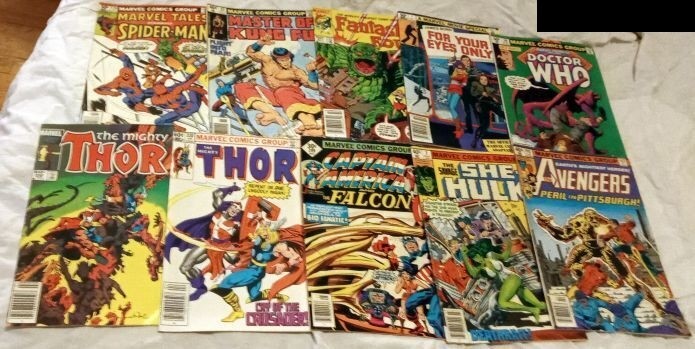
Current asking prices from live listings — not sold-comp medians.




eBay links are affiliate links: JunkPal may earn a commission at no cost to you.