What does “gutter shadow” mean?
What it means
Gutter shadow is the visible darkening or discoloration present in the white space separating comic book panels. This is not a printing defect but a sign of chemical degradation in the paper stock. The darkening is caused by environmental exposure—specifically humidity fluctuations, poor light exposure, or acidic paper breakdown over time. In grading terms, this is categorized under "age-related discoloration" and directly impacts the book's overall condition grade (e.g., affecting a Near Mint or Fine grade). Heavy shadowing implies significant chemical breakdown, which is a physical deterioration of the substrate.
What it does to price
Gutter shadow is a direct downward pressure on value. A book with heavy, pervasive gutter shadow will grade significantly lower than an identical copy with minimal shadowing, even if the surface appears otherwise intact. For a common book, a difference between a Fine (F) grade with heavy shadowing and a Very Fine (VF) grade with minimal shadowing can easily equate to a $15 to $40 difference in market value, depending on the book's rarity. Severe, dark shadowing can push a book out of the collectible range entirely, potentially dropping its value by 30-50% compared to a comparable, clean copy.
How to spot it
The shadow is most apparent in the gutters, especially when held up to a strong, directional light source. Examine the white space between panels, not just the panel borders. Look for a consistent, brownish or grayish tint within the gutter area. Sellers should provide high-resolution, close-up photos of the interior gutters. A common mistake is confusing minor foxing (small, isolated brown spots) with generalized gutter shadow, though both indicate age. Genuine shadow is diffuse and consistent across the spine area; fakes or print artifacts are usually sharp lines or localized smudges.
Buying smart
Paying a premium for a book with noticeable gutter shadow is rarely justified unless the book is extremely rare or the shadowing is extremely light and isolated. If the shadow is heavy, the discount should reflect the grade reduction. A fair deal involves a price that accounts for a minimum one-step grade reduction due to the shadow. If the shadow is minor—a slight yellowing around the spine crease—and the book is otherwise pristine, the premium might be acceptable for the aesthetic appeal of a "clean" look.
Selling smart
When listing, the presence of gutter shadow must be disclosed accurately. Do not try to hide it; accurate grading is key to avoiding returns and negative feedback. If the shadow is mild, use descriptive language like "slight gutter tanning" rather than "heavy shadow." If the shadow is significant, list the book at the lower grade it deserves. The single most valuable addition to a listing is a high-resolution, well-lit photo focused entirely on the spine and the gutter area. This photo allows the buyer to self-assess the degradation, justifying the price point.
On eBay right now
Current asking prices from live listings — not sold-comp medians.


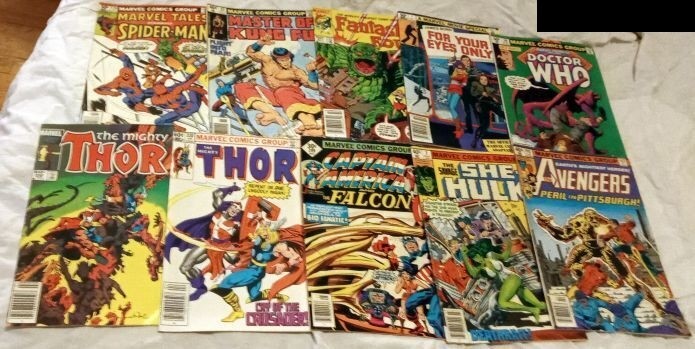


eBay links are affiliate links: JunkPal may earn a commission at no cost to you.