What does “gutter” mean?
What it means
"Gutter" refers to the unprinted white margin separating individual panels on a comic book page. This is not simply blank space; it is a structural element of the printed page. For grading and collecting, the gutter represents the area most susceptible to spine stress, creasing, and handling damage. While the mainstream equivalent is "panel spacing," in the collecting niche, the gutter condition is a direct proxy for the book's structural integrity and overall preservation quality. Damage here—such as spine rolls, creases running through the white space, or moisture stains bleeding into the margins—is considered significant wear.
What it does to price
Gutter condition directly impacts the grade, which dictates price. A pristine gutter area contributes to a higher numerical grade (e.g., 9.4 vs. 8.0). A copy with clean, sharp gutters commands a premium; a copy with significant spine stress or creases in the gutter area will see a substantial discount. For a common Silver Age title, a book graded 9.0 with perfect gutters might sell for $150, whereas the same book graded 8.0 with noticeable gutter creasing might sell for $80. Major structural damage in the gutter area can drop the book's value by 30% or more relative to a comparable copy in better shape.
How to spot it
Spotting gutter issues requires close inspection, often magnified. Look for "spine rolls"—where the paper curves inward along the binding crease. Examine the edges where panels meet; any blurring or tearing that crosses the white space is damage. Sellers should provide high-resolution photos specifically focused on the spine and the panel junctions. Common honest mistakes include minor spine stress from being shelved improperly. Fakes are rare regarding gutter condition, but poor storage leading to permanent "shelf wear" in the gutter is common. If the gutter shows heavy foxing (age-related spotting), the damage is permanent.
Buying smart
Paying a premium for gutter condition is justified when acquiring high-grade copies of key, high-demand books (e.g., first appearances, high-value runs). If the book is a common title or a lower-tier character, the marginal price increase for perfect gutters rarely justifies the cost over a slightly lower-graded, cheaper copy. A fair deal involves the asking price reflecting the grade accurately; if a seller claims a 9.6 but the gutters show obvious stress, the price is inflated. A reasonable purchase is a copy where the gutter condition matches the stated grade without major exceptions.
Selling smart
Proving excellent gutter condition is a key selling point. Buyers pay more for the assurance that the book has been handled and stored correctly. The single most effective element in a listing is a close-up, well-lit photograph of the spine and a few key panel junctions. Use descriptive language: instead of "Good," use "Crisp gutters" or "Minimal spine stress." This specific documentation allows the seller to anchor the price at the higher end of the market range for that grade, justifying the premium over listings that simply state the grade without visual proof of preservation.
On eBay right now
Current asking prices from live listings — not sold-comp medians.


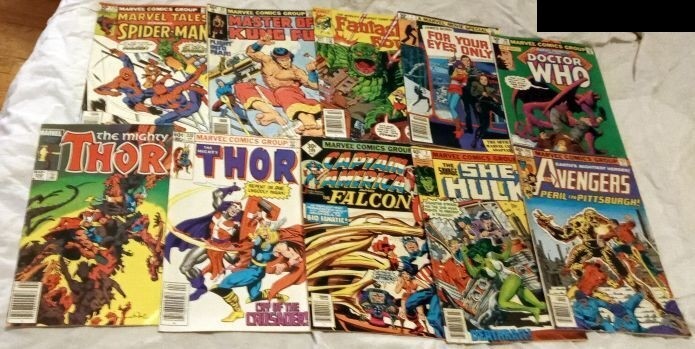


eBay links are affiliate links: JunkPal may earn a commission at no cost to you.