What does “grading tier” mean?
What it means
A grading tier is the standardized numerical or descriptive classification applied to a comic book by a third-party authentication service, such as CGC or CBCS. This tier quantifies the comic’s physical condition. The scale runs from Mint (highest grade, e.g., 9.8) down to Poor (lowest grade, e.g., 0.5). The grade is determined by assessing specific damage points: spine integrity, cover creasing, color saturation, and interior page condition. This is not a subjective opinion; it is a documented, verifiable standard. The grade dictates the comic's market categorization.
What it does to price
The grading tier is the primary driver of market value. The relationship is exponential, not linear. Moving from a Near Mint (NM) grade to a Mint (M) grade can result in a 3x to 10x price increase, depending on the book's rarity. For a common Silver Age title, a difference between a CGC 4.0 and a CGC 9.6 might equate to a $150 difference. For a high-demand modern book, the jump from a 7.0 to a 9.4 can easily push the value into the five-figure range. Damage that lowers the grade (e.g., spine roll, ink bleed) causes immediate, measurable depreciation.
How to spot it
The grade itself is verified by the slab—the sealed plastic case provided by the grading company. Collectors should never rely on a seller's description of condition. To assess risk, request high-resolution photos of the corners, spine, and any visible interior damage *before* purchase, even if the book is supposedly graded. Common issues include "grade inflation," where sellers misrepresent a slabbed book’s condition, or "fake slabs," which are counterfeit protective cases. Always verify the certification number against the grading company's public database.
Buying smart
Paying a premium for a high grade is only justifiable when the comic is a blue-chip, high-demand title (e.g., key first appearances, major event books). For lower-tier, less sought-after books, the marginal increase in price for a higher grade often does not justify the investment. A fair deal means the asking price aligns closely with recent, documented sales data for that specific grade and issue number. If the premium over a lower grade is disproportionate to the book's overall market size, the premium is likely inflated.
Selling smart
Listing a comic with a verifiable, high-grade slab immediately removes the largest barrier to high-value sales: condition uncertainty. Buyers pay a significant premium for the certainty that the grade is authentic and documented. The single most valuable piece of information in a listing is the actual grade number displayed on the slab (e.g., "CGC 9.8"). This single data point allows immediate comparison against market averages, justifying the higher price point over loose or ungraded copies.
On eBay right now
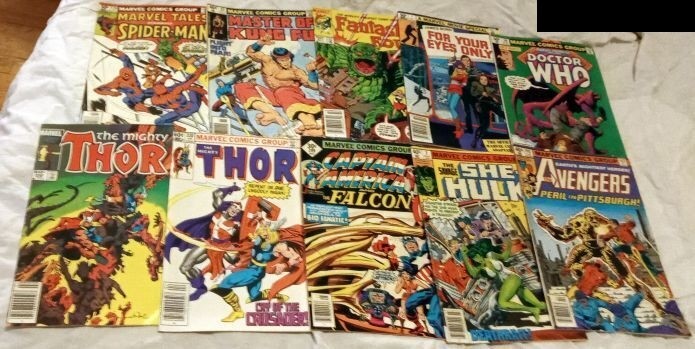
Current asking prices from live listings — not sold-comp medians.




eBay links are affiliate links: JunkPal may earn a commission at no cost to you.