What does “grade guide” mean?
What it means
A grade guide is a standardized reference chart detailing the numerical scale used by grading companies (CGC, CBCS, etc.) to assess comic book condition. The scale typically runs from 1.0 (Poor) to 10.0 (Mint/Perfect). Each numerical designation corresponds to specific, quantifiable defects: spine stress, cover wear, color degradation, and interior integrity. This system translates subjective wear into objective, market-recognized data. The guide defines the threshold for each grade, moving beyond general terms like "good" to precise metrics like "Fine" (e.g., 6.0) or "Very Fine" (e.g., 8.0).
What it does to price
Condition grade is the primary determinant of market value. The difference between a 9.8 Near Mint and an 8.0 Very Fine copy of the same book can easily result in a 30% to 100%+ price variance. A raw, ungraded copy of a key issue might sell for $50; the same book professionally graded and certified at a 9.6 can command $250 to $500, depending on demand. Minor flaws—such as a small crease on the back cover or a slight ink bleed—will drop the grade by half a point or more, causing a measurable, often steep, price reduction.
How to spot it
For raw books, spot checks involve examining the spine for whitening or cracking, checking the corners for rounding or tears, and inspecting the cover for scuffing or fading. Sellers must provide high-resolution photos showing the entire front, back, and spine. Common errors include mislabeling (a book graded 9.0 when it clearly exhibits 7.0 wear) or "over-grading" by inexperienced graders. When buying raw, look for consistent wear patterns across the book; isolated, severe damage is a red flag.
Buying smart
Paying a premium for a graded book is justified when the book is a high-demand, blue-chip title (e.g., key first appearances) where grade scarcity drives value. If the book is a common, low-demand title, the cost of grading plus the premium paid for the grade often outweighs the book's intrinsic value. A fair deal involves the asking price reflecting the *grade*, not just the title. For a $100 book, a 9.8 grade should not cost $300 unless the title is extremely rare.
Selling smart
When selling, professional grading is the single most effective way to maximize return. A CGC/CBCS slab instantly validates the condition, removing subjective debate from the sale. Listing the book as "Graded 9.4 CGC" commands immediate, higher-tier attention from serious collectors who rely on the numerical cert. The essential element to include is the certification number, as this allows buyers to verify the grade independently, proving authenticity and condition integrity.
On eBay right now
Current asking prices from live listings — not sold-comp medians.

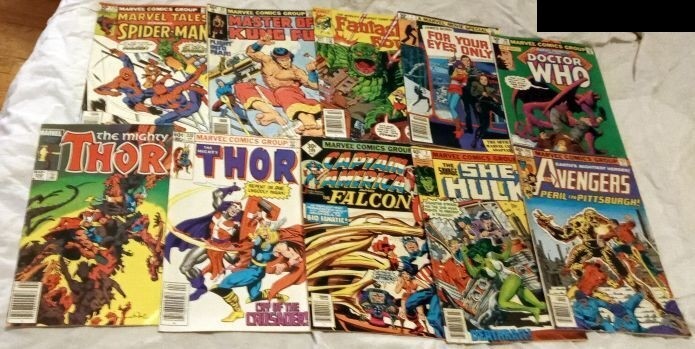


eBay links are affiliate links: JunkPal may earn a commission at no cost to you.