What does “grade floor” mean?
What it means
Grade floor is the lowest accepted condition standard for a comic book within a specific market segment or transaction. It is not an official grading standard itself, but rather a negotiated or assumed minimum quality level. For instance, a seller might set a grade floor of "VF-" (Very Fine Minus) for a specific key issue. Any copy falling below VF- is considered below the acceptable standard for that transaction, regardless of its actual state. Mainstream equivalent: The minimum acceptable quality threshold.
What it does to price
The grade floor dictates the starting point for valuation. A comic meeting the grade floor will command a baseline price. Moving one step above the grade floor (e.g., from FN to VF) can often result in a 50-100% price increase, depending on the book's rarity. Conversely, falling below the established floor can cause a price drop of 60% or more, as the item shifts from the collector market to the "reader/bargain" market. For example, a rare Silver Age book listed with a grade floor of VF might sell for $500. If it is determined to be only Fine (FN), the price might drop to $250.
How to spot it
Identifying the grade floor requires understanding the market's established tolerance for flaws. Sellers often use grade floor discussions to pre-qualify buyers. Physically, the tells include spine stress, corner dings, and color fading. When dealing with high-value items, sellers must provide high-resolution photos of the edges and spine. A common mistake is confusing "wear" (expected aging) with "damage" (structural failure). If a seller claims a book meets the grade floor, but the provided photos show heavy creasing along the spine, the floor has not been met.
Buying smart
Paying a premium above the established grade floor is only warranted when the comic is a high-demand key issue or has significant investment potential. If the comic is a common title, the premium for a slight grade bump is rarely justified. A fair deal occurs when the asking price aligns closely with established sales data for that specific grade level, not just the general book title. If the seller is asking for a price associated with a higher grade but the physical evidence suggests the grade floor is barely met, the offer should be reduced accordingly.
Selling smart
Establishing a clear grade floor in a listing immediately filters out low-intent buyers. Stating, "Minimum acceptable grade: VF," signals to potential buyers that the item is not intended for casual flipping. The single most effective element to earn a premium is a clear, unedited photograph of the most vulnerable area—usually the top left corner or the spine hinge. This transparency proves the condition meets the stated floor, justifying the higher asking price and attracting serious collectors.
On eBay right now
Current asking prices from live listings — not sold-comp medians.

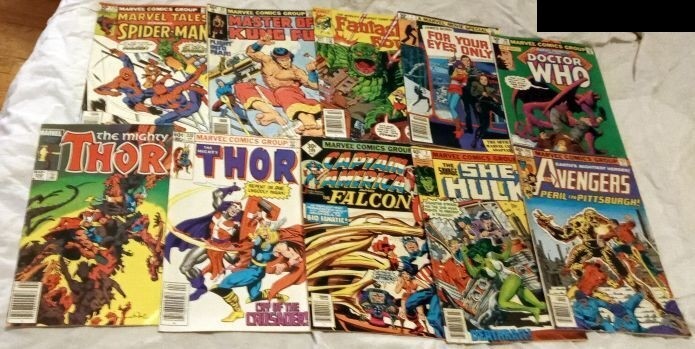


eBay links are affiliate links: JunkPal may earn a commission at no cost to you.