What does “grade cutoff” mean?
What it means
Grade cutoff refers to the precise numerical boundary set by professional grading companies (CGC, CBCS, etc.) that separates one condition tier from the next. This is not a subjective assessment; it is a standardized, quantitative metric. For example, the difference between a 9.0 and a 9.2 is a grade cutoff. In mainstream terms, this is the line separating "Near Mint" from "Near Mint/Very Fine," but the specific numerical difference dictates the market value. These cutoffs are the gatekeepers of premium pricing in the high-end collectible market.
What it does to price
The jump across a grade cutoff can represent exponential value increases, particularly for high-demand books. A difference of 0.2 or 0.4 points can easily multiply the resale value by 2x to 5x, depending on the book's scarcity. For a popular, key issue, the difference between a 9.0 and a 9.4 might mean the 9.4 fetches an additional $500 to $1,500 over the 9.0. Factors pushing value up include crisp corners, sharp color saturation, and minimal spine wear near the cutoff point.
How to spot it
Spotting the cutoff relies on examining the professional grading slab itself. The grade is immutable once applied. However, when assessing raw books, look for the specific physical characteristics that define the grade band. For example, a difference between a 8.0 and a 9.0 often hinges on the presence or absence of minor spine stress or edge nicks. Sellers must provide high-resolution, uncropped photos of the four corners and the spine to verify the condition against the expected standard for that grade tier. Be wary of sellers claiming a high grade based on vague descriptions; always demand clear photographic evidence of the physical condition.
Buying smart
Paying a premium for a specific grade cutoff is justified only when the book is a proven, high-demand asset (e.g., a key first appearance). If the book is common or low-demand, the marginal increase in price for crossing a cutoff point may not cover the investment risk. A fair deal involves the asking price being within 15-25% of comparable sales data for that exact grade. If the premium is excessive, the book is likely being overpriced based on perceived grade rather than verified condition.
Selling smart
Proving the grade cutoff is achieved is the primary mechanism for maximizing sale price. Listing the book with the slab clearly visible, showing the exact numerical grade, is non-negotiable. The single most valuable element in a listing is the grading company's certification. If the book is raw, listing it as "Near Mint" without a grade is selling at a discount; obtaining a professional grade that crosses a key cutoff point immediately elevates the perceived value and attracts serious, high-budget buyers.
On eBay right now
Current asking prices from live listings — not sold-comp medians.

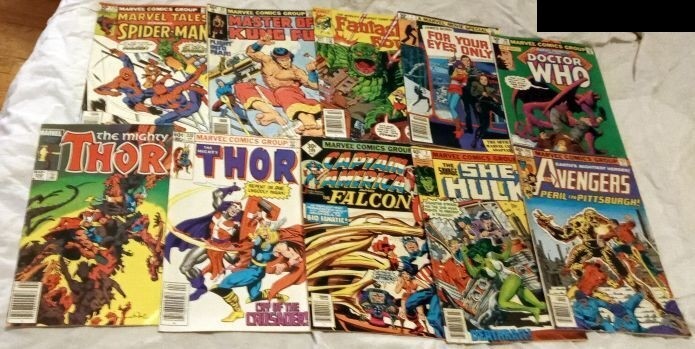


eBay links are affiliate links: JunkPal may earn a commission at no cost to you.