What does “grade ceiling” mean?
What it means
Grade ceiling is the highest possible professional grading score a specific comic book can realistically achieve. It is not a target, but a physical limit imposed by the comic’s original state, printing quality, or the current strictness of grading standards (CGC, CBCS). If a comic has a known printing flaw—like a slightly misregistered color or a small ink bleed—that flaw dictates the grade ceiling, preventing it from ever reaching a 9.8 or 10.0, regardless of how well it has been stored. The mainstream equivalent is the inherent physical limitation of the item.
What it does to price
The grade ceiling establishes the absolute maximum premium a book can command. A comic with a high ceiling (e.g., a pristine Silver Age key issue) can see prices multiply significantly when graded at its peak. A copy hitting the ceiling often fetches 3x to 10x the price of a comparable copy graded one or two steps lower. Conversely, if the ceiling is low (e.g., a comic known for paper yellowing), even a high-grade copy might only fetch 1.5x loose value. For example, a $500 book with a high ceiling might sell for $5,000 graded, while a functionally identical book with a low ceiling might cap out around $1,200.
How to spot it
Spotting the ceiling requires deep knowledge of the specific title's production run. Check for known printing errors in the issue run—misprints, color shifts, or paper stock variations. Examine the cover texture and color saturation in high-resolution scans. If a seller provides only low-quality photos, request close-ups of the spine and corners. Be wary of "near-mint" descriptions on older, fragile paper stock; the ceiling might be artificially low due to inherent material degradation that is hard to hide.
Buying smart
Paying the top-tier premium is only justified when the comic’s subject matter (key status, scarcity) demands it, and the grade ceiling is demonstrably high. If a comic is highly sought after but known to have a ceiling around 9.0 due to printing, paying for a 9.8 is a poor investment. A fair deal means the asking price reflects the ceiling; if the ceiling is 9.0, the price should align with documented 9.0 sales, not the theoretical 9.8 market rate.
Selling smart
Proving the grade ceiling is achieved is the primary driver of top-tier sales. Listing a comic as "CGC 9.8" when the ceiling is 9.8 is standard. However, if the ceiling is, say, 9.2, and the comic is graded 9.2, the listing description must manage expectations. The single most effective tool is providing a high-resolution, unedited photo of the graded slab itself, clearly showing the certification number and the exact grade achieved. This validates the ceiling claim instantly.
On eBay right now
Current asking prices from live listings — not sold-comp medians.

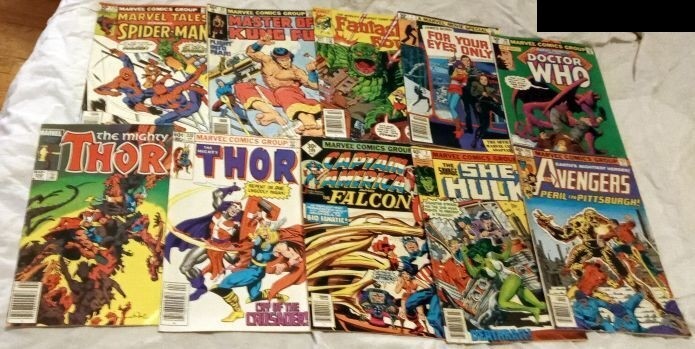


eBay links are affiliate links: JunkPal may earn a commission at no cost to you.