What does “good condition” mean?
What it means
"Good condition" (often designated as a 6.0–7.5 on subjective grading scales) means the comic is structurally sound with only moderate, expected wear for its age. This is not a professional grade; it is a casual assessment. It implies the cover is intact, the spine has minor shelf wear or slight creasing, and there are no major tears, heavy staining, or missing pieces. It sits significantly above "Fair" or "Poor" but falls well short of "Very Fine" or "Near Mint." The mainstream equivalent is a used copy that has been handled but kept relatively safe.
What it does to price
The price impact is moderate. A "Good" copy typically commands 1.5x to 3x the price of a heavily damaged, unreadable copy, but it sells for significantly less than a graded 9.0 or higher. For a mid-tier book, a "Good" copy might sell for $50, whereas a comparable graded copy could fetch $250+. Factors pushing the price up include clean corners and an uncreased spine. Factors pulling it down are yellowing paper, small pinholes, or noticeable spine roll. A single, prominent crease across the front cover can drop the value by 20-30% instantly.
How to spot it
Look for evidence of handling. "Good" copies will show minor corner dings, slight spine fading, and perhaps light surface scuffs. Do not mistake minor handling wear for "Good"; heavy tanning or significant ink bleed is a downgrade. When assessing a seller's claim, request high-resolution photos focusing specifically on the spine edges and the top/bottom corners. A common mistake is sellers claiming "Good" when the book has significant spine stress (a major downgrade). Fakes are rare in this category, but sellers sometimes exaggerate minor wear to justify a higher price bracket.
Buying smart
Paying a premium for "Good" condition is only justified when the book is otherwise rare, sought after, or when the gap between "Good" and "Very Fine" is vast in market value. If the difference between the listed "Good" price and the price of a known, slightly worse copy is substantial, the premium is likely unwarranted. A fair deal for a "Good" copy means the price reflects the *potential* for minor restoration or the moderate wear observed, not the peak value of a pristine copy.
Selling smart
To maximize returns, do not rely solely on the term "Good condition." Use descriptive language that quantifies the wear. Instead of just "Good," state: "Good condition, minor shelf wear to spine, no major creases." The one photo that earns the premium is a clear, well-lit shot of the spine showing the exact level of stress. If the wear is truly minimal, use terms like "Very Good" or "Near Fine" to capture the higher end of the casual market, rather than settling for the lower-end "Good."
On eBay right now
Current asking prices from live listings — not sold-comp medians.

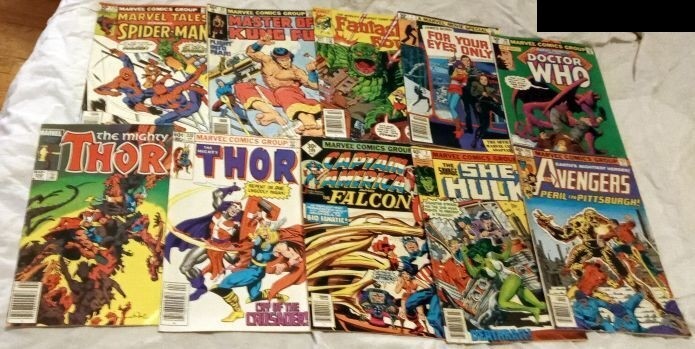


eBay links are affiliate links: JunkPal may earn a commission at no cost to you.