What does “front cover” mean?
What it means
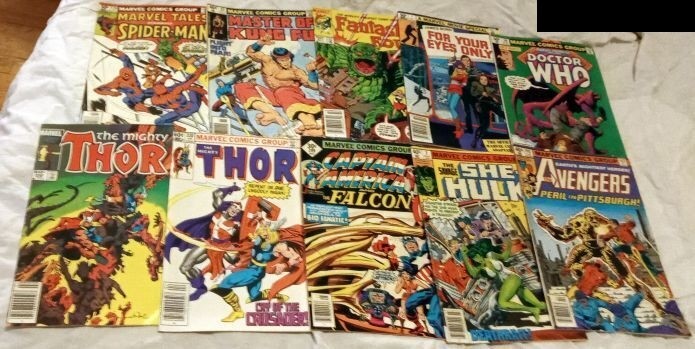
The front cover is the primary exterior graphic and textual presentation of a comic book. It is the visible face of the issue. This component includes the title logo, main artwork, issue number, and any prominent sales or promotional text. The condition of the front cover is a core factor in determining the comic's overall grade (e.g., VF, NM, FN). Any damage—creasing, spine stress visible on the front, fading, or corner damage—directly impacts the assessed grade. The cover is not merely decoration; it is a primary determinant of market value.
What it does to price
Cover condition drives significant price variance. A Near Mint (NM) cover, vibrant and structurally sound, can command a 2x to 4x premium over a Fine (FN) copy of the same issue. Minor edge wear (small dings, light rubbing) typically results in a 10-20% price reduction. Severe damage, such as large creases across the main art or significant color fading from sun exposure, can reduce value by 40% or more. For example, a standard $100 FN copy might drop to $60-$70 if the front cover exhibits a prominent, deep crease.
How to spot it
Inspect the cover for signs of handling wear. Look closely at the corners; sharp, crisp corners indicate better preservation than rounded or dog-eared ones. Check the edges for rubbing or scuffing, especially along the top and bottom borders. When purchasing online, request high-resolution, close-up photos focusing specifically on the top-left and bottom-right corners, and the center of the main artwork. Be wary of listings that use generic stock photos; these rarely reflect the actual condition. Honest mistakes often involve mislabeling a VF copy as NM due to slight edge wear.
Buying smart
Paying a premium for cover perfection is justified when the comic is a high-demand, key issue, or when the cover art itself is iconic or rare. For common, low-value issues, the premium for a perfect cover rarely outweighs the savings of buying a slightly worn, lower-graded copy. A fair deal involves matching the seller's stated grade to the visual evidence. If a seller claims NM but the cover shows visible corner rounding, the price should reflect a lower grade, such as VF.
Selling smart
When listing, condition grading must be accurate. Overstating the cover's quality to attract higher bids leads to buyer disputes and negative feedback. The single most effective element in a listing is a clear, well-lit photograph of the front cover taken straight-on. If the cover is pristine, explicitly state "Near Mint Cover Integrity." If there is a flaw, describe it precisely (e.g., "Minor corner ding on lower left"). Transparency in cover condition maximizes trust and ensures the final sale price aligns with the physical asset.
On eBay right now
Current asking prices from live listings — not sold-comp medians.




eBay links are affiliate links: JunkPal may earn a commission at no cost to you.